
Engine replacement vs repair checklist: 2026 guide
The engine replacement vs repair checklist is the structured decision framework mechanics and vehicle owners use to determine whether fixing an existing engine or swapping it entirely delivers better value and reliability. The wrong call costs thousands. Repair a cracked block and you waste money. Replace a fixable sensor fault and you waste even more. This guide walks you through every step, from reading your first diagnostic result to bolting in a new crate engine, with cost benchmarks drawn from current 2026 industry data.
1. Key financial criteria: repair vs replace engine
The 50% Rule is the most reliable financial filter in any engine repair guide. If your repair cost exceeds 50% of the vehicle’s current market value, replacement or retirement is the smarter move. A car worth $8,000 with a $4,500 repair bill is a candidate for a new engine, not a patch job.
Engine replacement costs for mainstream vehicles range from $3,000 to $7,500, with labour alone sitting between $1,500 and $5,000 depending on shop hours and vehicle complexity. Labour rates typically run $70–$130 per hour. That context matters because a $900 head gasket repair looks very different from a $4,200 engine swap on the same vehicle.

| Repair or replacement type | Typical cost (AUD) |
|---|---|
| Isolated repair (gasket, sensor, cooling) | $300–$1,500 |
| Used engine supply and fit | $2,300–$6,500 |
| Remanufactured engine supply and fit | $5,000–$11,000 |
| New crate engine supply and fit | $7,500–$15,000+ |
| Luxury or performance vehicle replacement | $10,000+ |
Repeated minor repairs are a hidden trap. Three separate $800 fixes over 18 months add up to $2,400, which is well within the cost of a remanufactured engine that comes with a warranty. Track cumulative repair spend, not just the current invoice.
Pro Tip: Before approving any repair quote, ask your mechanic for the total repair cost in writing alongside the current trade-in value of your vehicle. That single comparison tells you whether the 50% Rule applies.
2. Engine condition checklist: symptoms and diagnostic tests
A check engine light reflects sensor faults far more often than core engine failure. Replacing an engine based on a dashboard warning alone is one of the most expensive mistakes an owner can make. Major internal diagnostics are mandatory before any replacement decision.
Compression and leak-down tests are the two most reliable tools for assessing internal engine health. A compression test measures pressure in each cylinder. A leak-down test identifies where pressure is escaping, whether through valves, rings, or a cracked head. Low compression across multiple cylinders points to systemic wear that repair cannot fix.
Red flag symptoms that point toward replacement:
- Metal shavings or sludge in the engine oil
- Persistent knocking or rod knock under load
- Severe oil consumption (more than one litre per 1,000 km)
- White smoke from the exhaust combined with coolant loss
- Repeated overheating despite a functioning cooling system
- Low compression readings across two or more cylinders
- A cracked engine block confirmed by pressure testing
Isolated faults suitable for repair include leaking gaskets, faulty oxygen sensors, a failing thermostat, or a cracked coolant hose. These are single-system failures with contained costs. Systemic damage, where multiple internal components show wear simultaneously, is the signal that repair will not hold.
Pro Tip: Always request both a compression test and a leak-down test before signing off on a replacement quote. A mechanic who skips these two tests is guessing, not diagnosing.
3. Supporting checks before committing to a swap
Engine replacement success depends on thorough peripheral system checks, not just swapping the motor. Skipping these checks is the most common reason a new engine fails within the first 12 months.
Verify compatibility first
Match the replacement engine to your vehicle’s exact engine code, not just the model name. A Hyundai i30 from 2018 and a Hyundai i30 from 2020 may carry different engine variants with different ECU calibrations. Pull the VIN and cross-reference it against the engine code stamped on the block. Mismatched ECU and engine combinations cause immediate fault codes and can void warranties.
Inspect peripheral systems
Before the swap begins, inspect the following:
- Transmission condition (clutch wear, fluid condition, seal integrity)
- Engine mounts (cracked rubber, collapsed brackets)
- Coolant hoses and radiator condition
- Alternator, power steering pump, and air conditioning compressor
- Wiring harness condition around the engine bay
Replacing a worn transmission mount at the same time as the engine costs an extra $80 in parts. Replacing it six months later costs $400 in labour.
Compare your replacement engine options
Remanufactured engines cost 40–60% less than new crate engines and carry warranties of 12–36 months. That makes them the best value option for most owners. Used engines carry the lowest upfront cost but typically come with parts-only warranties and unknown service histories. New crate engines offer the highest reliability ceiling and suit performance builds or vehicles with long intended service lives.
| Engine type | Cost range (AUD) | Warranty | Best suited for |
|---|---|---|---|
| Used engine | $800–$3,500 | Parts only | Budget repairs, older vehicles |
| Remanufactured engine | $2,500–$6,000 | 12–36 months | Most owners, daily drivers |
| New crate engine | $4,000–$8,000 | Full manufacturer warranty | Performance builds, newer vehicles |
A second mechanic’s opinion with a full written diagnostic report is not optional when replacement costs exceed $3,000. It confirms the fault is real and not a misread sensor or minor ignition issue. Get the report in writing before authorising any work.
Pro Tip: When sourcing a replacement engine type, ask for the specific remanufacturing standard applied, not just the warranty duration. A 36-month warranty on a poorly remanufactured engine is worth less than a 12-month warranty on one rebuilt to OEM tolerances.
4. Practical installation steps to avoid post-swap problems
Engine installation technique directly affects how long the replacement lasts. A correctly diagnosed engine fitted poorly will fail just as fast as the one it replaced.
- Position the hoist correctly. Raising the rear of the vehicle provides better clearance and angles for removing and reinstalling the engine-transmission assembly. Standard front-raise positions often restrict hoist swing and make alignment harder.
- Replace auxiliary wear parts during the swap. Water pumps, mounts, hoses, and seals all sit at the same labour access point as the engine block. Replacing these parts during the swap avoids doubling labour costs for the same job six months later.
- Rotate the engine manually after timing installation. Turn the engine through two full rotations by hand after fitting timing components. This confirms there is no mechanical binding before the starter motor applies load. Binding at startup causes immediate internal damage.
- Check all fluids before first start. Confirm engine oil level and grade, coolant concentration, and fuel system integrity. A dry start on a new engine causes irreversible bearing wear within seconds.
- Follow the break-in procedure. Avoid sustained high RPM for the first 1,000 km. Change the oil at 500 km to remove any metal particles from the initial seating of new components. Schedule a full service at 5,000 km post-installation.
Pro Tip: Use scrap timber under the front of the vehicle when raising the rear for engine removal. It stabilises the chassis and gives you a fixed reference point for re-alignment during reinstallation.
5. When to repair, when to replace, and when to walk away
The decision is rarely purely mechanical. Vehicle age, mileage, and your long-term ownership goals all shape the right answer.
Repair is the better choice when:
- The fault is isolated to one system (gasket, sensor, cooling component)
- The vehicle is under five years old or has fewer than 100,000 km
- Total repair cost sits well below 50% of the vehicle’s market value
- The rest of the vehicle is in good condition
Replacement makes more sense when:
- Internal damage is systemic (rod knock, cracked block, low compression across cylinders)
- The vehicle has a history of repeated expensive repairs
- The engine is approaching or past 200,000 km with no rebuild history
- Repair costs exceed the 50% Rule threshold
Walk away and consider a newer vehicle when:
- The cost of engine replacement exceeds the vehicle’s market value
- The body, transmission, or suspension also need significant work
- The vehicle is no longer supported by parts availability in Australia
Check the top signs engine replacement is needed if you are still unsure after running through the financial and diagnostic steps. Emotional attachment to a vehicle is real, but it is not a maintenance strategy. A $6,000 engine swap in a car worth $4,500 is a financial loss regardless of how much you like the car.
Key takeaways
The most reliable engine repair or replacement decision combines the 50% Rule, compression testing, and a full peripheral systems check before any work begins.
| Point | Details |
|---|---|
| Apply the 50% Rule | If repair costs exceed half the vehicle’s market value, replacement is the better financial choice. |
| Run compression and leak-down tests | These two tests confirm internal engine health and prevent unnecessary replacements. |
| Choose remanufactured for value | Remanufactured engines cost 40–60% less than new crate engines and carry 12–36 month warranties. |
| Replace auxiliary parts during the swap | Fitting hoses, mounts, and pumps at the same time avoids doubling labour costs later. |
| Get a written second opinion | A detailed diagnostic report from a second mechanic prevents costly misdiagnoses. |
What I’ve learned from watching owners get this decision wrong
The most common mistake I see is owners treating the check engine light as a death sentence for their engine. They authorise a $6,000 replacement based on a fault code that a $150 diagnostic session would have traced to a faulty oxygen sensor. The engine was fine. The sensor was not.
The second mistake is skipping peripheral checks. I have seen a perfectly good remanufactured engine fail within eight months because the installer did not replace a $60 coolant hose that was already cracked. The hose failed, the engine overheated, and the warranty claim was denied because the failure was caused by a peripheral component, not the engine itself.
The third mistake is choosing a used engine to save money on a vehicle that still has five or more years of useful life ahead of it. A used engine with an unknown history in a car you plan to keep for another 150,000 km is a gamble that rarely pays off. Remanufactured engines exist precisely for this situation. They cost more upfront and save significantly more over time.
My honest recommendation: get the compression test, get the second opinion, and do the maths on the 50% Rule before you commit to anything. The checklist is not bureaucracy. It is the difference between a good decision and an expensive one.
— Jason
Engine Zone: quality engines and checklists for Australian owners
Engine Zone supplies tested, warranted crate engines and remanufactured units for Hyundai and Kia vehicles across Australia, with free shipping and fitment assistance included.
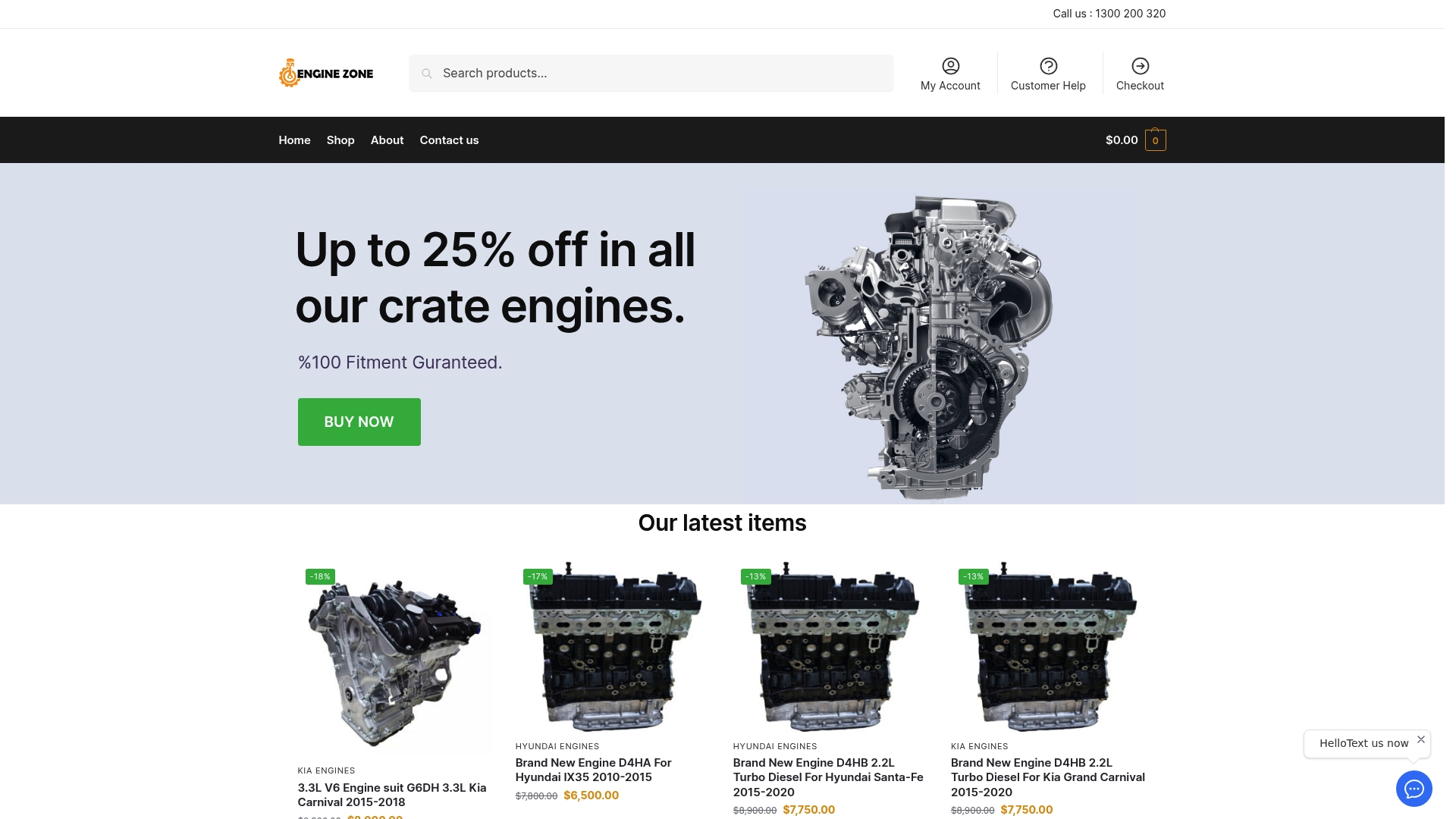
Whether you are working through the crate engine installation checklist for a DIY swap or sourcing a replacement unit for a workshop job, Engine Zone has the stock, the specs, and the support to get it right the first time. Browse the full range of new crate engine options with transparent pricing and up to 25% off selected units. Every engine comes with a warranty and verified fitment for your exact model. Use the engine buying checklist to match the right unit to your vehicle before you order.
FAQ
What is the 50% Rule for engine repair decisions?
The 50% Rule states that if repair costs exceed 50% of the vehicle’s current market value, replacement or retirement is the more financially sound choice. It prevents owners from pouring money into a vehicle that will never recover its value.
Which diagnostic tests confirm I need a new engine?
Compression and leak-down tests are the most reliable indicators of internal engine condition. Low compression across multiple cylinders or significant leak-down confirms systemic damage that repair cannot address.
What is the cost of engine replacement in Australia in 2026?
Engine replacement for mainstream vehicles costs between $3,000 and $7,500 in Australia, with labour rates running $70–$130 per hour. Luxury and performance vehicles can exceed $10,000 for a full replacement.
Are remanufactured engines worth it over used engines?
Remanufactured engines cost 40–60% less than new crate engines and carry warranties of 12–36 months, making them the best value option for most daily drivers. Used engines carry lower upfront costs but come with parts-only warranties and unknown service histories.
When should I replace auxiliary parts during an engine swap?
Replace water pumps, mounts, hoses, and seals at the same time as the engine swap. These components sit at the same labour access point, and replacing them together avoids paying double the labour cost for the same job within months of the initial swap.