
Benefits of pre-tested replacement engines: 2026 guide
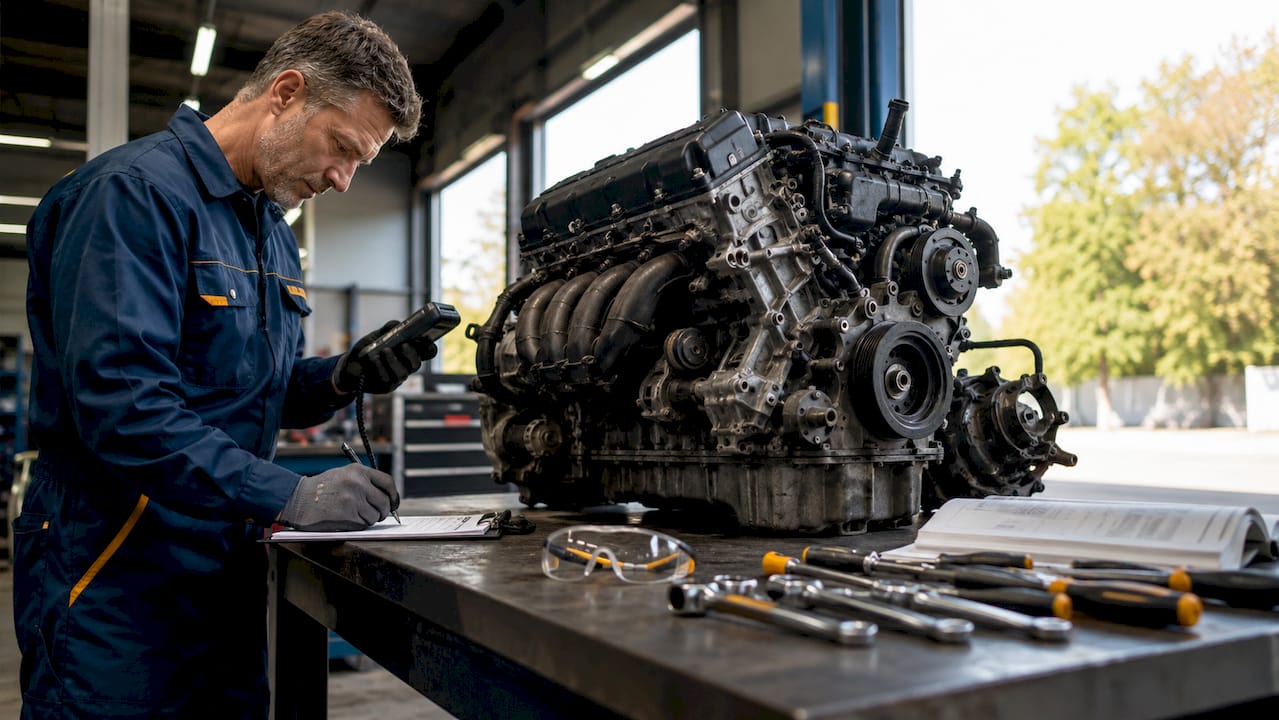
Pre-tested replacement engines are used engines that have been started, run, and verified for basic mechanical function before sale. They occupy a deliberate middle ground between low-cost untested units and fully remanufactured engines, offering better reliability assurance without the premium price tag. For Australian technicians and vehicle owners, the benefits of pre-tested replacement engines come down to three things: reduced failure risk, lower total repair cost, and faster turnaround. Engine Zone, Hyundai and Kia specialists, and independent workshops across Australia are increasingly choosing pre-tested units for exactly these reasons.
1. What are the key advantages of choosing a pre-tested replacement engine?
Pre-tested replacement engines deliver a measurable reliability advantage over untested used units. A running test confirms the engine starts, idles, and holds oil pressure before it ever reaches your vehicle. That single verification step eliminates the most common failure modes that catch buyers off guard with untested stock.
The core advantages are:
- Lower early failure risk. Running tested engines reduce the probability of immediate post-install failure compared to untested units.
- Significant cost savings. Using second-hand parts can cut total repair costs by over 50% compared to new OEM replacements. That saving is real money back in your pocket or your customer’s.
- Reduced downtime. A technician installing a pre-tested engine has higher confidence the unit will run from day one. That confidence shortens the job timeline and reduces the chance of a vehicle sitting on a hoist for a second round of repairs.
- Warranty coverage. Most reputable suppliers back pre-tested engines with at least a short warranty period. That coverage gives both workshops and vehicle owners a safety net that untested units rarely provide.
- Labour cost protection. Engine replacement labour represents 50–70% of total repair cost. A failed untested engine means paying that labour bill twice. A pre-tested unit dramatically reduces that risk.
Pro Tip: Always ask your supplier for the specific test results or inspection notes on any pre-tested engine. A reputable seller will have documentation. If they cannot produce it, treat the engine as untested.
2. How do pre-tested engines compare to other replacement options?

The replacement engine market offers three main categories: untested used, running tested (pre-tested), and remanufactured. Each sits at a different point on the cost-versus-reliability scale. Understanding where pre-tested engines fit helps you make the right call for each job.
Remanufactured engines restore performance to factory-level specifications by resetting the entire wear cycle. They are the most reliable option, but they carry the highest price. Remanufactured units typically carry warranties of 12–36 months, compared to the 30–90 day coverage common with tested or used engines. That warranty gap reflects a genuine difference in rebuild depth and quality assurance.
Untested used engines are the cheapest option upfront. The problem is that a failed untested engine erases every dollar saved once you factor in repeat labour. Repeat labour costs due to early failure often exceed the savings from buying untested in the first place.
Pre-tested engines sit between these two extremes. They cost more than untested units and less than remanufactured engines. They offer better reliability than untested stock and a lower price than a full rebuild.
| Feature | Untested used | Pre-tested (running tested) | Remanufactured |
|---|---|---|---|
| Upfront cost | Lowest | Moderate | Highest |
| Warranty coverage | Minimal or none | 30–90 days typical | 12–36 months |
| Failure risk | Highest | Reduced | Lowest |
| Labour risk | High (repeat install likely) | Low to moderate | Very low |
| Performance baseline | Unknown | Verified at idle | Factory specification |
| Best suited for | Low-value vehicles | Mid-value, quick turnaround | Long-term ownership |
Professional workshops increasingly prefer remanufactured engines for long-term ownership vehicles, and choose pre-tested used engines where balanced reliability and cost matter most. That split reflects practical experience, not guesswork.
3. What testing procedures define a pre-tested replacement engine?
The term “running tested” has a specific and limited meaning in the industry. A running tested engine was started and idled briefly in the donor vehicle before removal. That test confirms the engine fires, holds oil pressure, and does not produce obvious smoke or knocking sounds. It does not confirm performance under load.
A running test identifies immediate failures but cannot detect internal issues that only appear under driving conditions. Compression loss, bearing wear, and early ring failure can all pass a short idle test undetected. Buyers who understand this limitation make better purchasing decisions.
Common testing steps used by reputable suppliers include:
- Idle run test. The engine is started and run at idle to check for misfires, oil leaks, and abnormal noise.
- Compression check. A compression test on each cylinder identifies worn rings or valve issues before the engine ships.
- Leak-down test. This test pressurises each cylinder to detect leakage past rings, valves, or head gaskets.
- Visual inspection. Technicians check for cracks, corrosion, damaged threads, and obvious wear on external components.
- Oil and coolant check. Contamination between oil and coolant signals a blown head gasket or cracked block.
Pro Tip: Ask your supplier whether compression and leak-down tests were performed, not just an idle run. Suppliers who conduct these additional checks offer meaningfully better assurance than those who only confirm the engine starts.
Replacing ancillary parts such as hoses, seals, and gaskets during any engine swap is a best practice that reduces post-install failures unrelated to the engine core itself. This step costs little relative to the labour already invested in the job.
4. When is a pre-tested replacement engine the best choice?
Pre-tested engines are not the right answer for every situation. Knowing when they make sense saves you money and avoids frustration. The following scenarios are where pre-tested units consistently deliver the best outcome.
-
Mid-value vehicles needing a cost-effective fix. A vehicle worth $8,000–$15,000 does not justify a $5,000 remanufactured engine. A pre-tested unit at a fraction of that cost restores the vehicle to service without over-capitalising on the repair.
-
Work vehicles and fleet units needing fast turnaround. Tradespeople and fleet operators cannot afford extended downtime. A pre-tested engine with verified function gets the vehicle back on the road faster than waiting for a remanufactured unit to be sourced or built.
-
Budget-conscious owners who want more than an untested gamble. Buyers who cannot stretch to a full remanufacture still deserve better than an untested engine. Pre-tested units provide that middle path without requiring a compromise on basic reliability.
-
Jobs where labour cost is significant. When the installation labour bill is substantial, the cost of a repeat install due to engine failure is unacceptable. A pre-tested engine reduces that risk enough to justify the modest price premium over untested stock.
-
Situations where a short warranty matters. Some vehicle owners and workshops need at least a minimum warranty to satisfy customer expectations or insurance requirements. Pre-tested engines from reputable suppliers typically include that coverage, where untested units do not.
-
Hyundai and Kia models with known engine availability. Specific models such as the Hyundai i30, Tucson, Kia Cerato, and Sportage have strong availability of pre-tested replacement units in Australia. That availability makes sourcing straightforward and lead times short.
-
Owners planning to sell the vehicle within two to three years. A remanufactured engine’s long warranty is most valuable for vehicles kept for many years. For a vehicle being sold in the near term, a pre-tested engine delivers the reliability needed without the cost of a full rebuild.
Buying decisions consistently balance upfront affordability against long-term reliability and labour cost risk. Pre-tested engines represent the considered middle path for most of these scenarios. For detailed guidance on choosing the right engine for your specific vehicle, it pays to work through a structured checklist before committing.
Key takeaways
Pre-tested replacement engines deliver the best cost-to-reliability ratio for mid-value vehicles and time-sensitive repairs, making them the preferred choice for most Australian workshops and budget-aware owners.
| Point | Details |
|---|---|
| Cost savings are real | Second-hand tested engines can cut total repair costs by over 50% versus new OEM parts. |
| Labour risk drives the decision | Engine labour is 50–70% of total repair cost; a failed untested engine doubles that expense. |
| Testing has clear limits | A running test confirms idle function only; compression and leak-down tests add meaningful assurance. |
| Warranty gap is significant | Remanufactured engines carry 12–36 month warranties; pre-tested units typically offer 30–90 days. |
| Situational fit matters | Pre-tested engines suit mid-value vehicles, fleet turnarounds, and budget-conscious repairs best. |
Why I back pre-tested engines for most workshop decisions in 2026
After years of watching engine replacement jobs go well and badly, the pattern is clear. The failures that hurt workshops most are not the ones where a remanufactured engine underperforms. They are the ones where a cheap untested unit fails two weeks after installation, and the workshop eats the labour cost to fix it.
Pre-tested engines are not perfect. The running test has real limitations, and I would never pretend otherwise. What they do offer is a verified starting point. You know the engine ran. You know it did not knock or smoke at idle. That is worth paying for, especially when labour rates in Australia make a repeat install genuinely painful.
The suppliers I trust are the ones who go beyond a basic idle run. Compression testing and leak-down testing add maybe an hour of work at the supplier’s end. That hour can save a technician an entire day of rework. When you are reviewing engine warranty terms before purchase, look for suppliers who document their testing process, not just their warranty period.
My forecast for 2026 is straightforward. As labour costs rise and vehicle owners become more informed, the demand for pre-tested and remanufactured engines will grow at the expense of untested stock. Workshops that build their reputation on reliable outcomes will stop recommending untested units entirely. The pre-tested engine is not a compromise. For most jobs, it is the right call.
— Jason
Find quality replacement engines at Engine Zone
Engine Zone stocks a curated range of pre-tested and new crate engines for Hyundai and Kia vehicles, with fitment guarantees and fast delivery across Australia. Every listing includes transparent pricing, and discounts of up to 25% are available across the range.
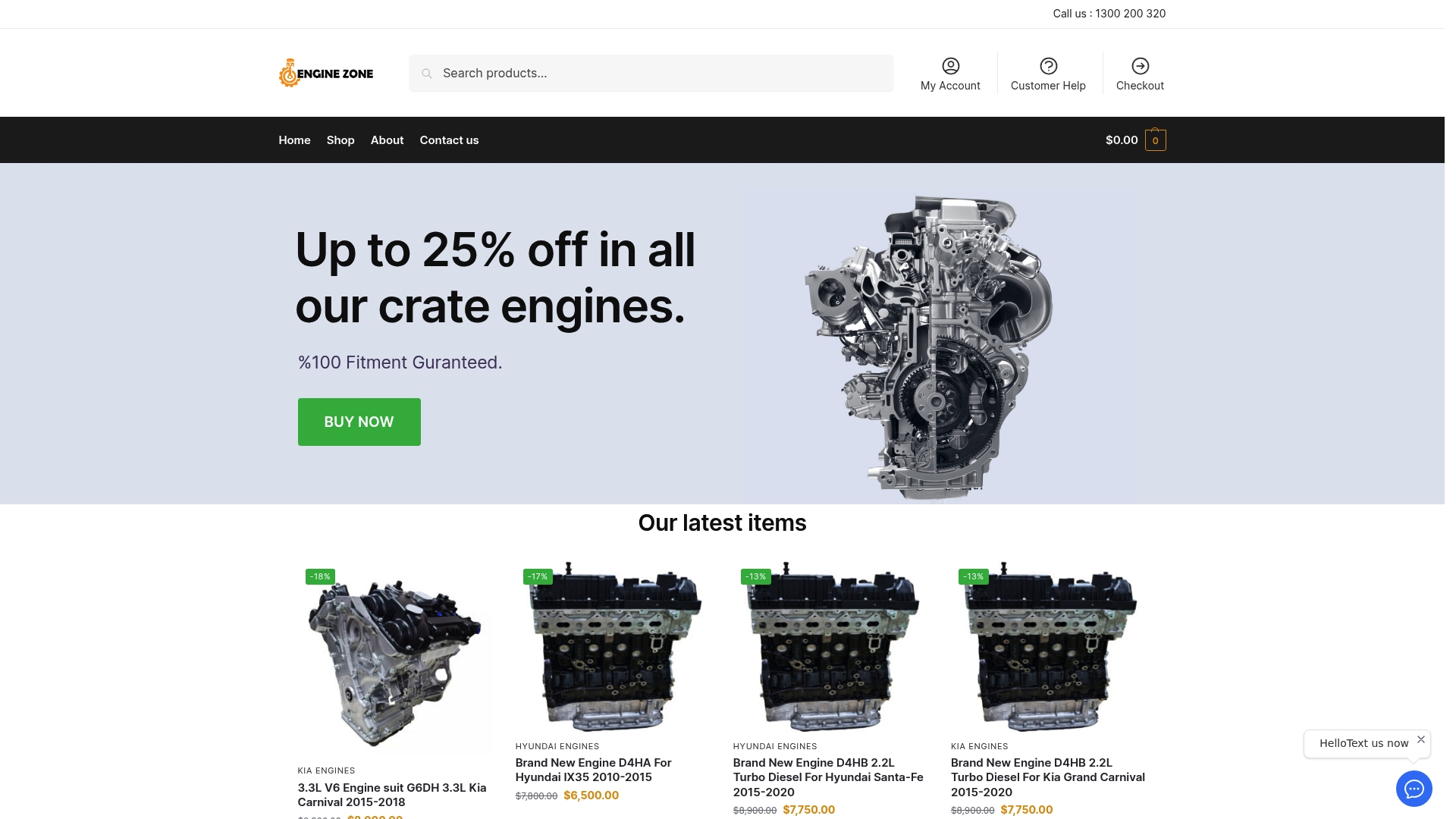
Whether you are a mechanic sourcing a replacement for a Hyundai i30 or a Kia Sportage, or a vehicle owner comparing your options, Engine Zone provides the support and stock to get the job done right. Explore the full range of new crate engine options or browse Hyundai engine stock directly. Secure checkout, SSL encryption, and expert fitment assistance are standard with every order.
FAQ
What does “running tested” mean for a replacement engine?
A running tested engine was started and idled in the donor vehicle before removal. This confirms basic function but does not detect internal wear issues that appear under load.
Are pre-tested engines better than untested used engines?
Pre-tested engines carry lower early failure risk and typically include short warranty coverage. Untested engines offer no verified function and expose buyers to full repeat labour costs if the unit fails.
How long is the warranty on a pre-tested replacement engine?
Warranty coverage on pre-tested engines typically ranges from 30 to 90 days. Remanufactured engines carry significantly longer warranties of 12–36 months, reflecting the deeper rebuild process.
When should I choose a remanufactured engine instead?
Choose a remanufactured engine for vehicles you plan to keep long-term or where maximum reliability is non-negotiable. For a full breakdown of replacement engine types, compare options before committing to a purchase.
What ancillary parts should I replace during an engine swap?
Replace hoses, seals, and gaskets during any engine swap regardless of engine type. These parts are inexpensive relative to labour and are a common cause of post-install failures.