
What is engine replacement downtime: a 2026 guide

Engine replacement downtime is the total period a vehicle is unavailable for use, covering engine removal, installation, and all post-installation checks, typically lasting 2–5 business days beyond the mechanical labour alone. Most vehicle owners and fleet managers focus on labour hours of 8–20, but the real calendar time stretches further due to parts sourcing, shop scheduling, ECU programming, and quality assurance. Understanding what drives that gap is the difference between a planned disruption and an operational crisis.
What is engine replacement downtime, exactly?
Engine replacement downtime is the industry term for the full window of vehicle unavailability during an engine swap process. It starts the moment a vehicle enters the workshop and ends when it is road-ready and returned. The mechanical labour is only one part of that window.
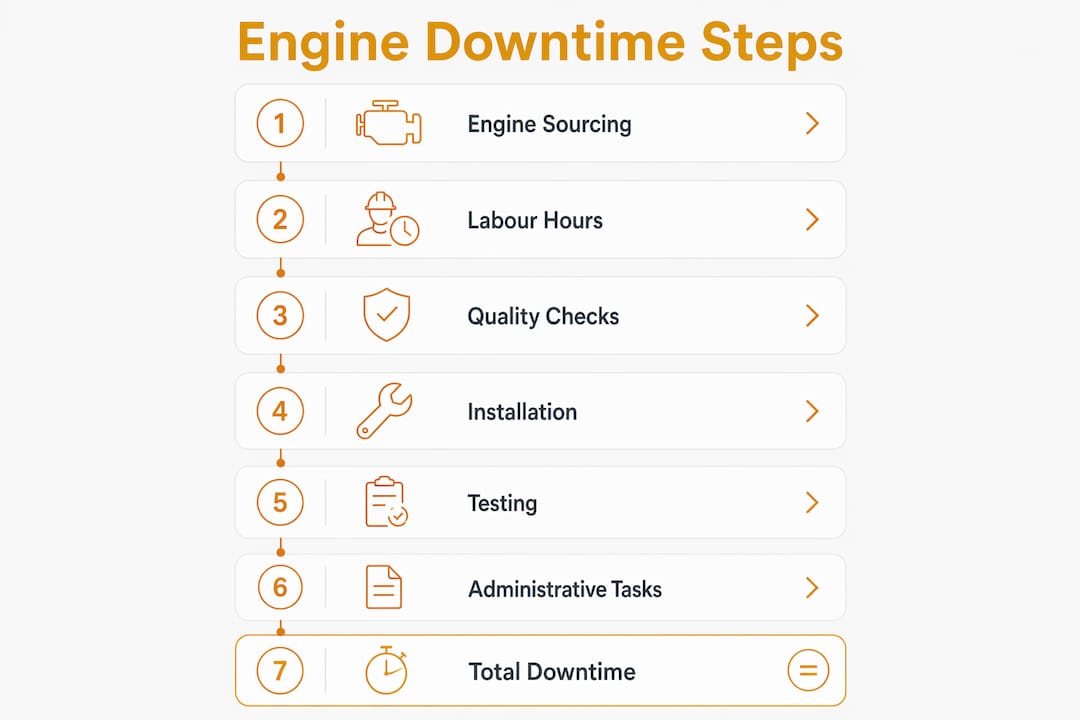
Administrative tasks like engine sourcing and quality control add days to total downtime that never appear on a labour invoice. A job quoted at 10 hours of labour can still consume a full week of calendar time once you account for parts delivery, workshop queues, and post-install testing. That gap surprises most vehicle owners the first time they experience it.

For fleet managers, the distinction matters financially. A truck sitting idle is not just an inconvenience. It is lost revenue, and every extra day compounds that cost.
What factors influence engine replacement downtime?
Several variables push downtime well beyond the base labour estimate. Knowing them lets you plan realistically rather than optimistically.
- Parts availability. Parts availability is the predominant cause of unplanned downtime extension. Common Hyundai and Kia engines are sourced quickly, but imported or rare units can delay a job by weeks.
- Vehicle complexity. A straightforward engine swap on a Hyundai i30 takes far less time than a custom conversion or a vehicle with tight engine bay clearances. Labour hours range from 8–12 for simple swaps to 20–40+ for complex builds.
- Shop workload. A busy workshop may have your engine on the bench but your vehicle waiting in the queue for two days before a technician starts.
- Post-installation steps. Leak checks, ECU programming, and test drives add non-labour time that is non-negotiable for safety and warranty compliance.
- Additional repairs. Discovering worn mounts, damaged wiring, or a failing cooling system mid-job extends the timeline further.
- Warranty and testing protocols. Dealerships and certified repairers follow stricter post-install procedures. Dealerships typically hold vehicles for 1–2 weeks despite 10–12 hours of actual labour, due to diagnostics and testing requirements.
Pro Tip: Ask your repairer for a written timeline that separates labour hours from total calendar days. That single question forces clarity and gives you a realistic planning window.
Check the engine replacement turnaround time guide for a deeper breakdown of what drives delays at each stage.
Engine replacement vs rebuild: which takes longer?
For fleet managers, the choice between replacing and rebuilding an engine is a downtime decision as much as a cost decision. The numbers tell a clear story.
Heavy-duty diesel engine replacement downtime typically ranges 3–7 days, while a full rebuild extends to 7–14 days due to machining requirements. That gap represents real lost productivity. With an average revenue loss of $760 per hour for high-utilisation fleets, a rebuild that saves money upfront can cost far more in idle time.
Replacement engines arrive pre-assembled and tested, enabling faster installation than rebuilds, which require extensive machining and assembly from scratch. Crate engines, in particular, cut installation time because fitment and quality checks are completed before delivery.
Pro Tip: For fleet vehicles running high weekly kilometres, calculate your daily revenue loss before comparing rebuild and replacement quotes. The faster option is often the cheaper one once idle costs are included.
| Factor | Engine replacement | Engine rebuild |
|---|---|---|
| Typical downtime | 3–7 days | 7–14 days |
| Labour hours | 8–20 hours | 20–40+ hours |
| Parts availability | Pre-assembled, faster to source | Machined to order, slower |
| Warranty | New or remanufactured warranty | Variable, often shorter |
| Upfront cost | Higher | Lower |
| Best for | Fleets, time-critical vehicles | Budget-focused, low-utilisation vehicles |
For a full cost and downtime comparison, the new engine vs rebuild guide covers both scenarios in detail.
What does the engine replacement process look like step by step?
Understanding where downtime accumulates during the engine swap process helps you spot delays before they blow out your timeline.
- Diagnosis and confirmation. The repairer confirms engine failure and rules out alternatives like a head gasket repair. This step alone can take half a day to a full day.
- Engine sourcing. The repairer orders a replacement engine. For common Hyundai and Kia models, this is often next-day. For less common variants, it can stretch to several days or longer.
- Engine preparation. The replacement unit is inspected, accessory components are transferred, and the engine is staged for installation.
- Engine removal. The failed engine is disconnected from all ancillaries, lifted out, and the engine bay is cleaned and inspected for secondary damage.
- Installation. The replacement engine is lowered in, connected, and torqued to specification. This is the core labour stage, typically 8–12 hours for a standard swap.
- Post-installation checks. Coolant, oil, and fuel systems are checked for leaks. ECU programming is completed where required. A test drive confirms performance.
- Quality assurance and handover. The repairer documents the work, issues warranty paperwork, and returns the vehicle.
The engine replacement duration from step one to step seven is where most owners underestimate total downtime. Steps two, three, and six each consume time that does not show up as billable labour hours. A job with 12 hours of labour can realistically span four to five calendar days once all stages are complete.
How to plan for and minimise engine replacement downtime
Reducing downtime during an engine change requires preparation before the vehicle enters the workshop, not after.
- Source the engine before booking the job. Pre-purchasing a crate engine means the replacement unit is on hand when the vehicle arrives. This removes the single biggest cause of delays.
- Schedule during low-operation periods. Fleet managers should plan replacements during weekends, public holidays, or seasonal low-demand windows to reduce the operational impact.
- Choose an experienced repairer. A workshop familiar with your vehicle’s make and model completes the job faster and with fewer surprises. Hyundai and Kia specialists, for example, know the model-specific quirks that slow down a generalist.
- Understand warranty terms before committing. Used engines carry limited warranties and hidden risks, and labour costs are typically not covered if the engine fails post-installation. A new or remanufactured engine with a solid warranty reduces the risk of a second round of downtime.
- Arrange a loan vehicle. For private owners, a loan car from the repairer or hire company keeps you mobile while the job is completed.
- Communicate actively with your repairer. Ask for daily updates and confirm parts arrival times. Proactive communication catches delays early.
Pro Tip: Choosing a readily available engine, such as a certified crate engine for your specific model, is the fastest single action you can take to cut engine replacement time. Availability beats almost every other variable.
Review the replacement engine buying checklist before committing to a purchase to avoid the common sourcing mistakes that extend downtime.
Key takeaways
Engine replacement downtime spans far more than the quoted labour hours. The full calendar window includes sourcing, workshop scheduling, installation, and post-install testing, typically adding 2–5 days beyond the mechanical work alone.
| Point | Details |
|---|---|
| Downtime exceeds labour hours | Administrative tasks and testing add days that never appear on a labour invoice. |
| Parts availability drives delays | Pre-sourcing a crate engine is the fastest way to cut total downtime. |
| Replacement beats rebuild for fleets | Replacement downtime of 3–7 days is significantly shorter than rebuild downtime of 7–14 days. |
| Warranty choice affects risk | New or remanufactured engines reduce the chance of repeat downtime from early failure. |
| Planning cuts operational impact | Scheduling during low-demand periods and arranging loan vehicles minimises disruption. |
The part most people get wrong about engine downtime
Most vehicle owners I speak with are blindsided by the gap between the labour quote and the actual time their vehicle is off the road. They hear “10 hours of labour” and mentally translate that to one and a half days. Then they are surprised when the vehicle is not ready until Thursday of the following week.
The real culprit is almost always parts availability. A workshop cannot start the clock on labour until the replacement engine is physically on the bench. If sourcing takes three days, those three days are invisible on the invoice but very visible in your schedule. Pre-purchasing a crate engine before booking the job is the single most effective thing you can do to compress the total engine replacement duration.
The second mistake I see consistently is choosing a used engine to save money upfront. Used engines carry real risk. If the unit fails post-installation, the labour to pull it out and start again is entirely on you. A new or remanufactured engine with a proper warranty costs more initially, but it protects you from a second round of downtime that could double your total cost.
For fleet managers, the maths are even clearer. At $760 per hour in lost revenue, a rebuild that saves a few thousand dollars upfront but adds a week of downtime is rarely the better deal. Faster replacement is almost always the more cost-effective path when utilisation is high.
Active communication with your repairer matters more than most people realise. Ask for a written timeline. Confirm parts arrival. Follow up daily. Repairers who know you are watching the clock tend to prioritise accordingly.
— Jason
Engine Zone: crate engines that cut your downtime
Choosing the right engine before the job starts is the fastest way to reduce your vehicle’s time off the road.
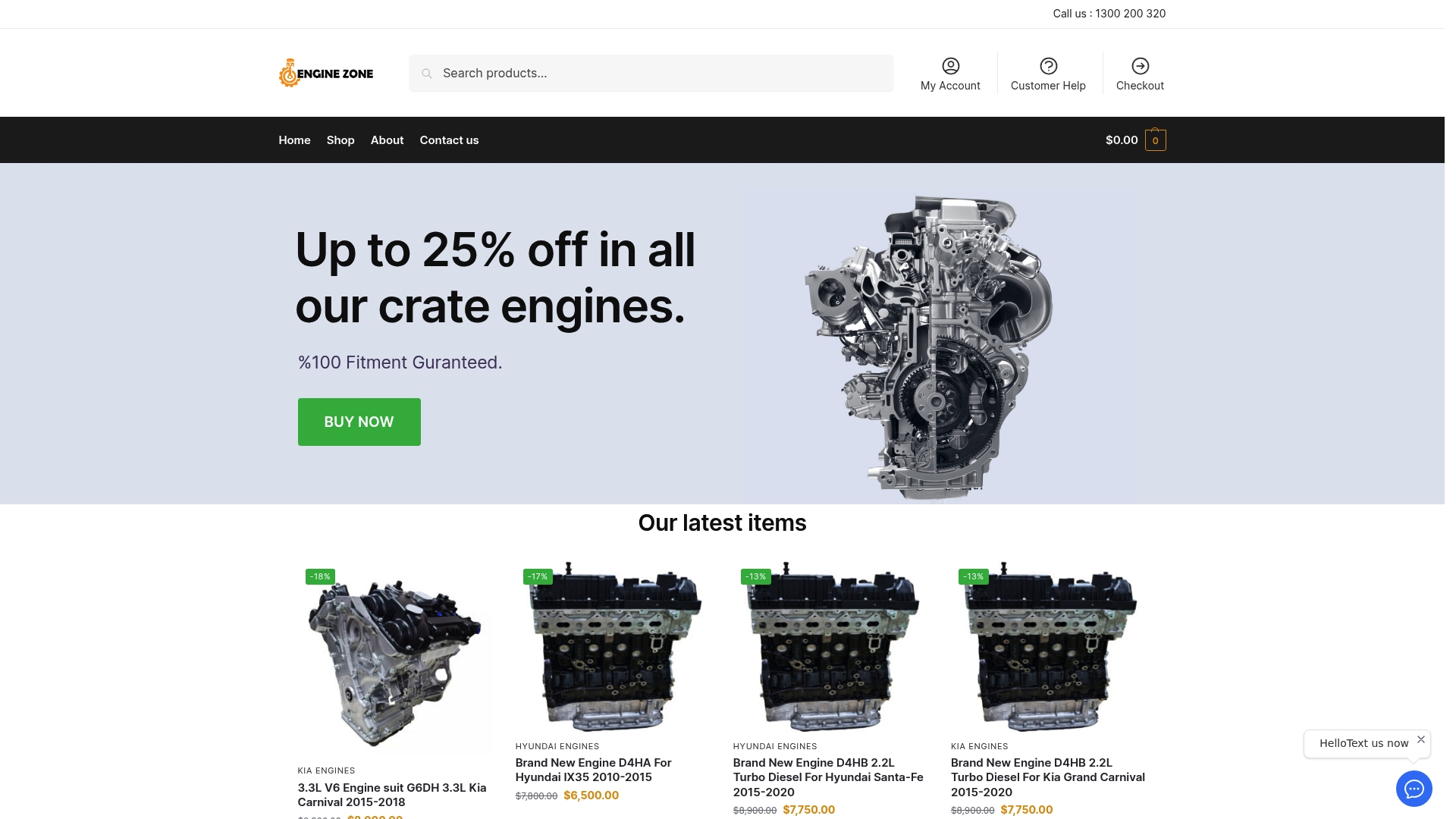
Engine Zone stocks a curated range of new, tested, and guaranteed crate engines for Hyundai and Kia vehicles, with free delivery across Australia. Every engine is pre-assembled and quality-checked, so your repairer can move straight to installation without waiting on parts. The benefits of new crate engines include faster fitment, manufacturer-backed warranties, and the confidence that comes from a unit built to specification. For fleet operators and private owners who cannot afford extended downtime, crate engines save labour time compared to rebuilds or sourcing used units. Visit Engine Zone to find the right engine for your vehicle and get back on the road faster.
FAQ
What is a typical engine replacement duration?
Standard engine replacement takes 8–20 hours of labour, translating to 2–5 business days of total downtime including sourcing, installation, and testing. Complex swaps or parts delays can extend this further.
How long does a dealership take to replace an engine?
Dealerships typically hold vehicles for 1–2 weeks for engine replacement despite 10–12 hours of actual labour, due to diagnostics, post-installation testing, and workshop scheduling.
Why does downtime during an engine change exceed the labour hours?
Administrative tasks like engine sourcing and post-install quality checks add days that are not billed as labour. These steps are unavoidable and account for most of the gap between quoted hours and actual calendar time.
Is engine replacement faster than an engine rebuild?
Yes. Engine replacement downtime typically runs 3–7 days for heavy vehicles, while a full rebuild takes 7–14 days due to machining and assembly requirements. For high-utilisation fleets, the faster turnaround makes replacement the more cost-effective choice.
How can fleet managers minimise engine replacement time?
Pre-purchasing a crate engine before booking the job removes the most common source of delay. Scheduling replacements during low-demand periods and working with a repairer experienced in your vehicle’s make further reduces total downtime.