
Types of replacement engines explained for vehicle owners

Replacement engine types fall into four distinct categories: new OEM, remanufactured, rebuilt, and used. Each type carries a different cost, warranty period, and reliability profile, and choosing the wrong one for your situation can cost you far more than the engine itself. This engine replacement guide covers every option in plain terms so you can match the right replacement to your vehicle, your budget, and how long you plan to keep the car on the road.
1. Types of replacement engines explained: the four core options
The four types of replacement engines recognised across the automotive industry are new OEM, remanufactured, rebuilt, and used. Understanding the difference between them is the foundation of any sound engine replacement process. A new OEM engine comes directly from the original manufacturer. A remanufactured engine is restored to factory specification in a controlled facility. A rebuilt engine is repaired using the original block with worn components replaced. A used engine is pulled from a salvage or total-loss vehicle and sold with minimal intervention. Each option suits a different combination of vehicle age, owner goals, and available budget.
2. New OEM engines: zero history, maximum cost
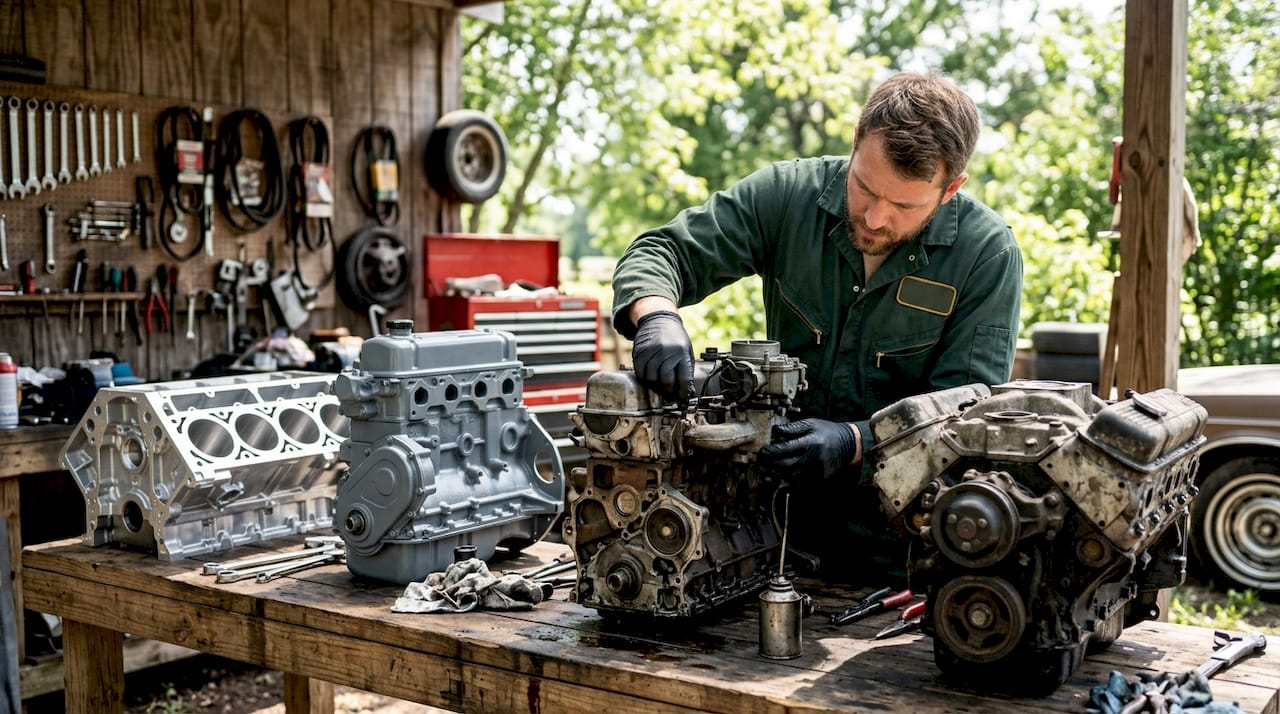
A new OEM (Original Equipment Manufacturer) engine is sourced directly from the vehicle’s manufacturer or an authorised supplier and has never been run. It carries no service history, no wear, and no unknown variables. For newer vehicles still under a manufacturer’s warranty, fitting a new OEM engine preserves that coverage in a way no other option can. The benefits of new crate engines include the longest expected service life and the strongest warranty terms available, typically one to three years from the supplier.
The primary drawback is cost. New OEM engines range from $6,000 to $12,000+, not including labour, which adds 8 to 15 hours of workshop time on top. That figure means a new OEM engine is rarely the right call for a vehicle worth less than the engine itself.
Key considerations for new OEM engines:
- Best for: Vehicles under five years old, long-term ownership plans, or fleet vehicles requiring maximum uptime
- Warranty: Typically one to three years, matching or exceeding the original manufacturer’s coverage
- Availability: May be limited or discontinued for models older than ten years
- Cost: Highest of all replacement options, but the lowest total risk over time
Pro Tip: Before ordering a new OEM engine, confirm the part number against your vehicle’s VIN with the manufacturer or a specialist like Engine Zone. Fitment errors on new engines are expensive to reverse.
3. Remanufactured engines: factory restoration at a lower price
A remanufactured engine undergoes a factory-level restoration to OEM specs, which distinguishes it clearly from a rebuilt engine. The entire unit is disassembled, cleaned, measured, and machined. Every component that falls outside OEM tolerance is replaced, not just the parts that show visible wear. The result is an engine that performs to the same standard as a new unit but costs significantly less.
Remanufactured engines cost between $3,500 and $7,000, placing them squarely between new and rebuilt options on the price scale. Warranty terms are comparable to new engines, with most reputable suppliers offering one to three years of coverage. For long-term vehicle owners, remanufactured engines offer near-new performance at a cost that makes financial sense when the vehicle’s value justifies the spend.
Advantages and limitations of remanufactured engines:
- Reliability: High. Every component is measured against OEM specification before reassembly
- Warranty: One to three years, comparable to new OEM options
- Cost: Lower than new OEM, higher than rebuilt or used
- Availability: Strong for popular models; limited for low-volume or discontinued platforms
Pro Tip: Ask your supplier whether the remanufactured engine was restored to OEM tolerances or simply cleaned and tested. The difference in process determines the difference in longevity. Engine Zone’s listings specify this clearly for every unit.
The remanufactured category is where most mechanics and fleet operators land when they need reliability without the full cost of a new unit. For Hyundai and Kia owners in particular, remanufactured engines from a specialist supplier represent the strongest value proposition in the replacement engine options available today.
4. Rebuilt engines: the original block, repaired
A rebuilt engine starts with the vehicle’s original engine block. A mechanic or specialist disassembles the unit, inspects every component, and replaces only the parts that are worn or damaged beyond serviceable limits. The block itself is retained, which keeps costs lower than either new or remanufactured options.
The critical distinction from remanufactured is scope. A remanufactured engine replaces everything outside OEM tolerance. A rebuilt engine replaces only what is visibly worn or broken. This means the quality of a rebuilt engine varies considerably depending on who performed the work, what parts were used, and how thoroughly the block was inspected. A rebuild carried out by a reputable engine specialist using quality components can deliver solid reliability. A budget rebuild using cheap aftermarket parts may fail within 30,000 kilometres.
What to know about rebuilt engines:
- Cost: Generally lower than remanufactured, though labour-intensive rebuilds can close that gap
- Warranty: Variable. Some rebuilders offer 90 days; quality shops may offer 12 months
- Reliability: Depends heavily on the rebuilder’s process and parts quality
- Best for: Vehicles where the original block is sound and the owner wants to retain the original engine
Rebuilt engines suit owners who have a trusted mechanic, a vehicle with sentimental or collector value, or a situation where the original engine block is in good condition and only specific components have failed. For a standard daily driver, the variable quality of the rebuild process makes remanufactured a safer default choice.
5. Used engines: lowest cost, highest uncertainty
A used engine is sourced from a salvage yard, a written-off vehicle, or an import dismantler. It is removed, cleaned to varying degrees, and sold with minimal restoration. Used engines cost between $1,500 and $4,000, making them the most accessible option for budget-conscious owners. The trade-off is that you are buying an engine with an unknown service history.
Used engines pose higher risk due to unknown history, often sourced from salvage or total-loss vehicles. Hidden damage from overheating, oil starvation, or impact may not be visible during a basic inspection. Warranty terms for used engines are typically 30 to 90 days, which reflects the uncertainty involved. That short coverage window means any latent fault that surfaces after three months becomes the owner’s problem entirely.
Risks and realities of used engines:
- Cost: Lowest upfront cost of all replacement options
- Warranty: 30 to 90 days in most cases
- Risk: Unknown service history, potential hidden damage, no guarantee of remaining service life
- Best for: Low-value vehicles where the cost of a remanufactured engine exceeds the car’s worth
Properly preparing a used engine, including compression testing, leak-down testing, and a thorough visual inspection before installation, can reduce the risk significantly. For a vehicle worth $3,000, spending $1,800 on a used engine with a 60-day warranty may be the only financially rational choice. For a vehicle worth $20,000, it is rarely the right call.
6. Comparing replacement engine options: cost, warranty, and reliability
Choosing between replacement engine options comes down to three variables: what you can spend, how long you need the engine to last, and what the vehicle is worth. Full engine replacement is recommended when repair costs approach 50% of the vehicle’s value, which means the vehicle’s market value should always be your first reference point before selecting an engine type.
The table below compares the four types across the factors that matter most to vehicle owners and mechanics.
| Engine type | Cost range (AUD) | Typical warranty | Reliability level | Best suited to |
|---|---|---|---|---|
| New OEM | $6,000 to $12,000+ | 1 to 3 years | Highest | Newer vehicles, long-term ownership |
| Remanufactured | $3,500 to $7,000 | 1 to 3 years | High | Most vehicles, best value balance |
| Rebuilt | Variable | 90 days to 12 months | Moderate to high | Trusted mechanic, original block intact |
| Used | $1,500 to $4,000 | 30 to 90 days | Variable | Low-value vehicles, tight budgets |
Labour adds 8 to 15 hours of workshop time regardless of engine type. That cost is fixed, which means the engine type you choose determines the total spend more than any other single variable. A used engine at $2,000 with 15 hours of labour at $150 per hour still costs $4,250 installed. A remanufactured engine at $5,000 with the same labour comes to $7,250 but carries a comprehensive parts warranty. The gap narrows considerably when you account for the full picture. For guidance on new engine vs rebuild decisions, Engine Zone’s comparison resource breaks this down further.
Pro Tip: Run a compression test and a diagnostic scan before committing to any engine replacement. Skipping diagnostic tests can lead to unnecessary swaps when the actual fault is a blown head gasket or a failed sensor, not the engine itself.
Key takeaways
The right replacement engine type is determined by vehicle value, ownership goals, and budget. Remanufactured engines deliver the strongest balance of cost, warranty, and reliability for most Australian vehicle owners.
| Point | Details |
|---|---|
| New OEM suits newer vehicles | Highest cost but zero history and strongest warranty make it right for recent models. |
| Remanufactured is the best-value default | Factory-level restoration to OEM specs at lower cost than new, with comparable warranty terms. |
| Rebuilt quality varies widely | The rebuilder’s process and parts quality determine reliability more than the category itself. |
| Used engines carry real risk | Short warranties and unknown history make used engines suitable only for low-value vehicles. |
| Labour cost is fixed | Budget 8 to 15 hours of workshop time regardless of which engine type you choose. |
What I’ve learned after years of engine replacement decisions
After working through hundreds of engine replacement decisions, the single most common mistake I see is choosing an engine type based on upfront cost alone. A used engine in a vehicle worth $15,000 looks like a saving until the warranty expires at 90 days and the engine develops an oil consumption problem that traces back to a worn bore the seller never disclosed.
My honest position is that remanufactured engines are underutilised in Australia. Owners hear the price and compare it to a used engine without accounting for the warranty gap, the labour cost they will pay twice if the used engine fails, or the long-term reliability advantage that a factory-restored unit delivers. The maths almost always favours remanufactured once you run the full scenario.
For anyone doing their own installation, priming the engine before the first start by cranking without spark plugs to build oil pressure is non-negotiable. I have seen brand-new engines damaged in the first 30 seconds because this step was skipped. Label every connector, hose, and bolt during removal. Labelling during dismantling is the single most effective way to avoid reinstallation errors, and it costs nothing but five minutes of attention.
The other thing worth saying plainly: always check top signs of engine failure before you commit to a replacement. Not every engine that runs poorly needs replacing. A compression test and a leak-down test will tell you whether you have a replacement problem or a repair problem, and the difference can be several thousand dollars.
— Jason
Find the right crate engine at Engine Zone
Engine Zone stocks new and remanufactured crate engines for Hyundai and Kia vehicles, with guaranteed fitment, fast delivery across Australia, and discounts of up to 25% on selected units. Every engine comes with transparent pricing and warranty documentation so you know exactly what you are buying before checkout.
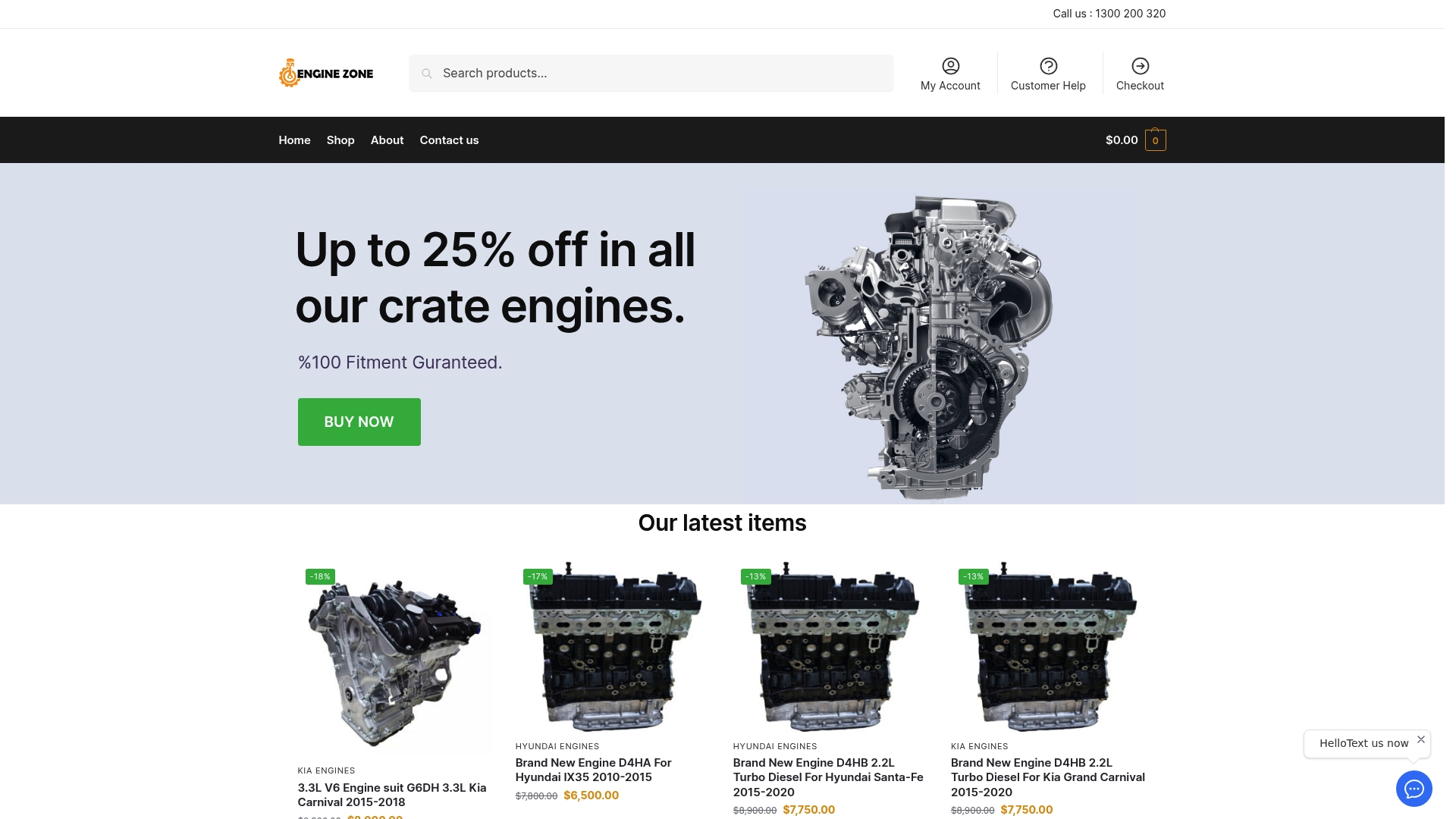
Whether you are a mechanic sourcing a remanufactured unit for a customer’s Santa Fe or an enthusiast replacing the engine in a Kia Stinger, Engine Zone’s team can confirm model fitment and get the right engine to you quickly. Explore the crate engine benefits and see why new crate engines save significant workshop time compared to used or rebuilt alternatives. For help selecting the right unit, the crate engine selection guide walks you through every decision point.
FAQ
What is the most reliable type of replacement engine?
New OEM engines carry the highest reliability rating, but remanufactured engines restored to OEM specification offer comparable performance at a lower cost. For most vehicle owners, remanufactured is the most reliable option relative to its price.
How do I choose between a rebuilt and remanufactured engine?
A remanufactured engine replaces every component outside OEM tolerance in a controlled facility, while a rebuilt engine replaces only visibly worn parts. Remanufactured engines carry longer warranties and more consistent quality, making them the stronger choice unless you have a trusted rebuilder and a specific reason to retain the original block.
Are used engines worth the risk?
Used engines are worth considering only when the vehicle’s market value is low enough that a remanufactured or new engine cannot be justified financially. Always run a compression test and inspect the engine thoroughly before installation to reduce the risk of hidden damage.
How long does an engine replacement take?
Professional engine replacement takes 8 to 15 hours of labour depending on the vehicle and engine type. First-time DIY replacements typically take considerably longer, with some guides estimating 40 to 80 hours for someone without prior experience.
Does engine type affect resale value?
A new OEM or remanufactured engine with documented warranty coverage adds more to resale value than a used or rebuilt unit. Buyers and dealers treat engine type and warranty documentation as a direct indicator of remaining vehicle life.