
Why crate engines suit classic car builds
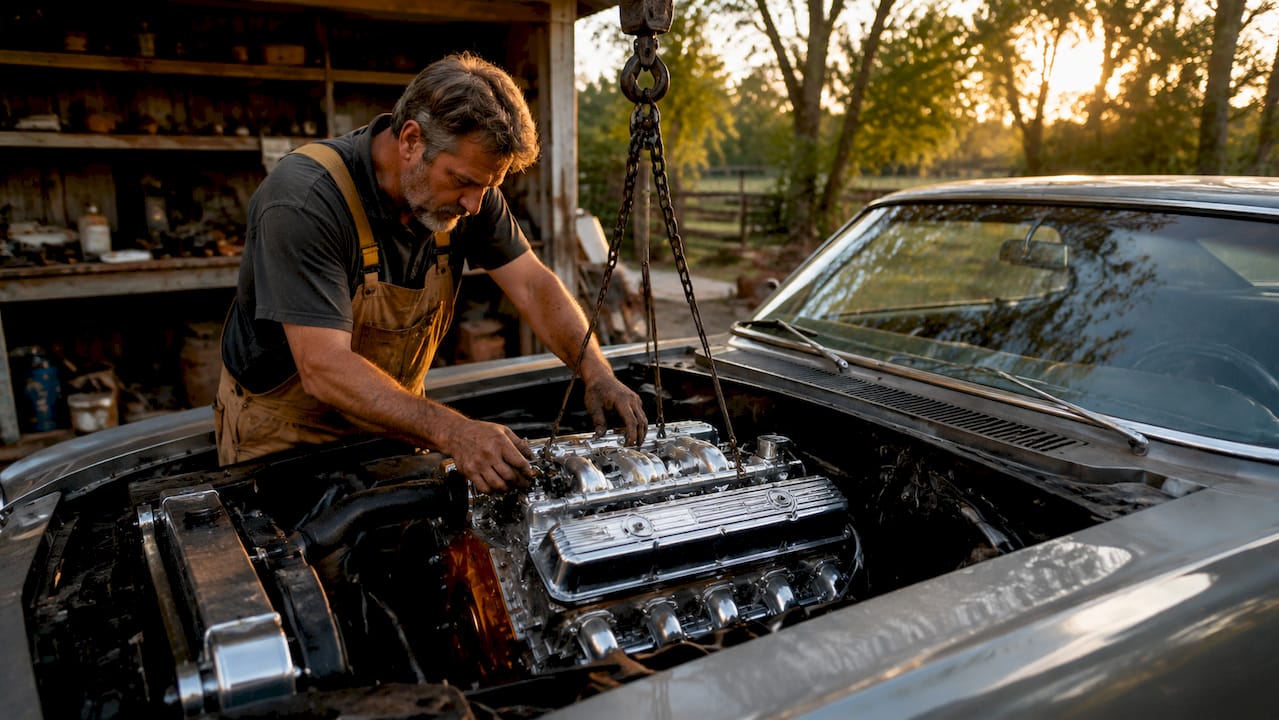
A crate engine is a fully assembled, factory-tested engine shipped ready to install, and it is the most reliable path to modern performance in a classic car build. Brands like Chevrolet Performance, Ford Performance, and Mopar have made crate engines the go-to choice for restorers who want predictable power without the guesswork of a rebuild. The core reasons why crate engines suit classic car builds come down to three things: zero-mile components, factory warranty coverage, and modern technology that drops straight into a vintage chassis. Whether you are building a weekend restomod or a serious performance machine, understanding what a crate engine delivers versus what a rebuild promises is the decision that shapes your entire project.
Why crate engines suit classic car builds better than rebuilds
The fundamental difference between a crate engine and a rebuilt engine is where the risk sits. A rebuilt engine uses your existing block, which may carry invisible fatigue, micro-cracks, or worn tolerances that no visual inspection catches. A crate engine arrives with zero-mile internals, factory dyno tested before it leaves the production line, which means the performance you expect is the performance you get on day one.
Warranty coverage is where the gap becomes undeniable. Most crate engines carry a 24-month or 50,000-mile factory warranty, a level of protection no independent rebuild shop can match. For a classic car build that represents months of labour and thousands of dollars in parts, that warranty is not a minor detail. It is the difference between a build you drive with confidence and one you worry about every time you leave the driveway.
Modern crate engines also integrate technology that a period-correct rebuild simply cannot offer. Control Packs from manufacturers like Chevrolet Performance include a pre-flashed ECU, a complete wiring harness, and drive-by-wire throttle, all calibrated to work together out of the box. This matters enormously for classic car builders because it removes the need to source and tune standalone engine management systems separately.
Pro Tip: When comparing quotes between a crate engine and a rebuild, always add the cost of an ECU, wiring harness, and dyno tune to the rebuild price. The gap between the two options narrows considerably once those line items appear.
| Feature | Crate engine | Rebuilt engine |
|---|---|---|
| Component condition | Zero miles, factory new | Reused block, variable wear |
| Warranty | 24 months / 50,000 miles | Limited or none |
| Technology | Modern EFI, Control Pack ready | Period-correct or custom |
| Installation time | Days from stock | 4 to 12 weeks lead time |
| Performance consistency | Factory dyno verified | Dependent on builder skill |
How do crate engines improve performance in classic restomods?
Performance is where crate engines genuinely separate themselves from the alternatives. The LS3 from Chevrolet Performance, one of the most popular choices for classic GM builds, delivers 430 to 535 horsepower and fits most GM applications with minimal modification. That is a figure verified on a factory dyno before the engine is boxed, not an estimate based on a builder’s experience with a particular combination of parts.
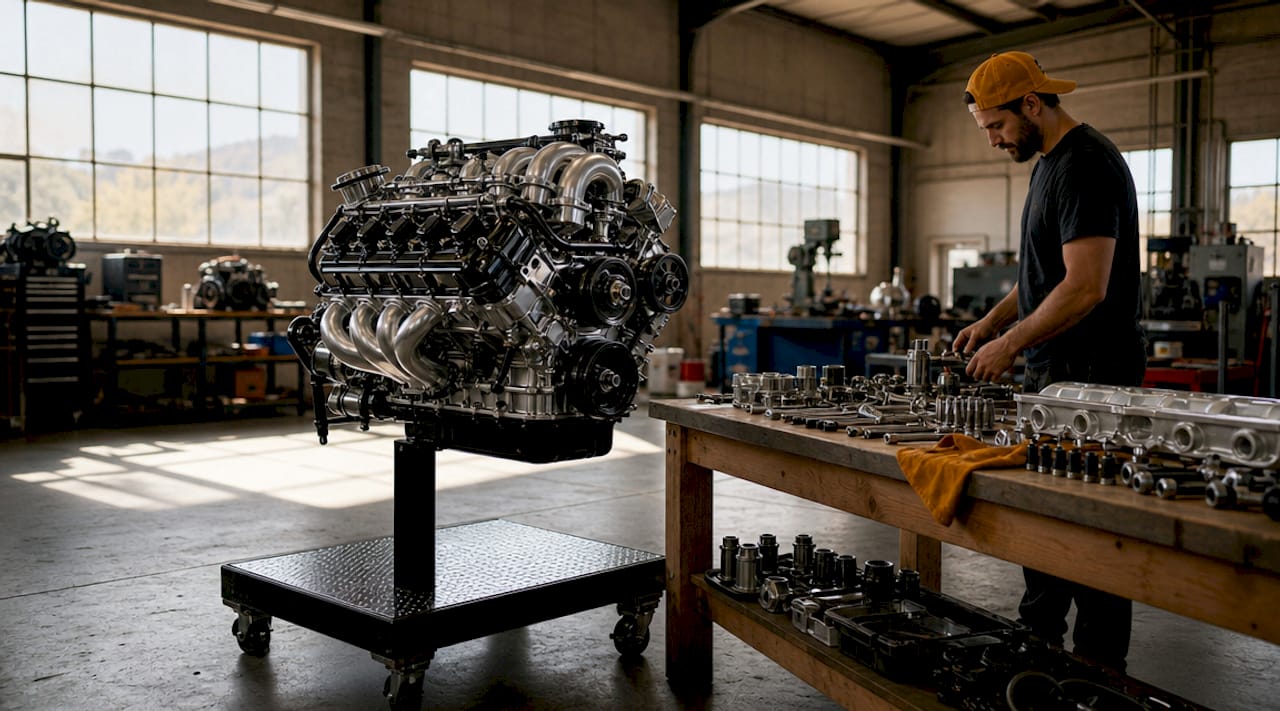
Weight is another dimension where modern crate engines transform classic car dynamics. The LS3 offers a 300-pound weight reduction compared to traditional cast-iron big blocks. Dropping 300 pounds from the front of a 1969 Camaro or a classic Holden Monaro does not just improve straight-line performance. It changes steering feel, braking distances, and cornering balance in ways that make the car genuinely more enjoyable to drive every day.
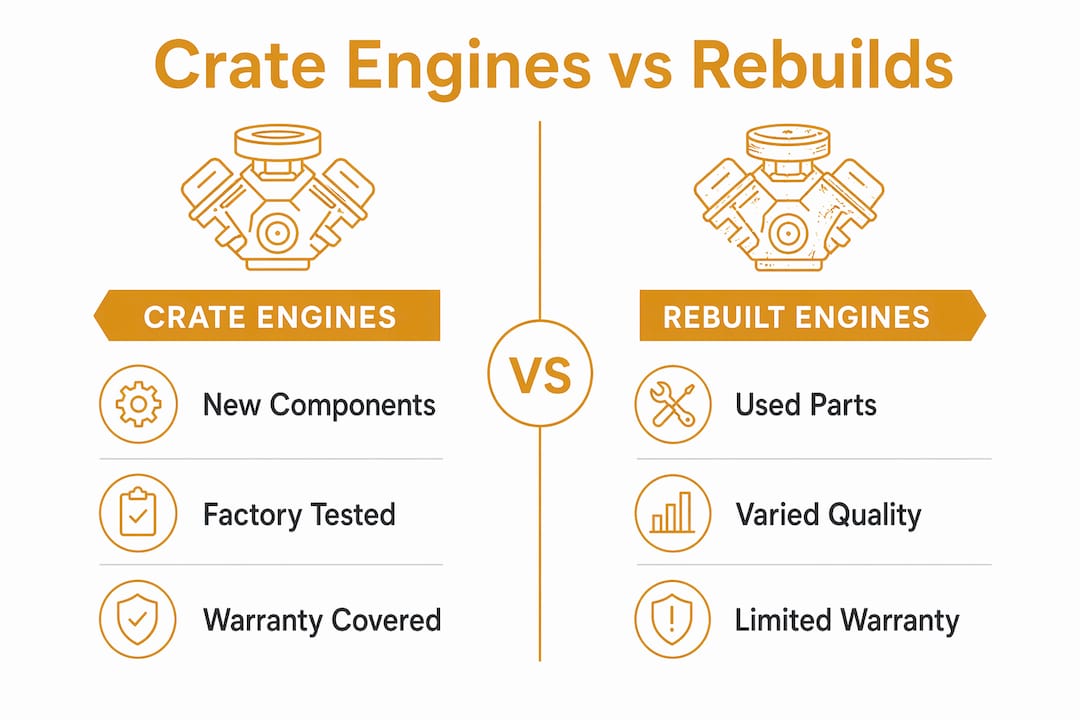
Factory dyno testing guarantees that every unit leaving the production line meets its rated output, which removes the performance lottery that comes with a custom rebuild. When you order a Ford Performance Coyote 5.0 or a supercharged LSA, you know exactly what you are getting before the engine arrives on your driveway.
The specific performance advantages crate engines bring to classic restomods include:
- Modern electronic fuel injection delivers consistent cold starts regardless of ambient temperature, a genuine improvement over carburettors in Australian summer and winter conditions
- Lightweight alloy construction reduces unsprung weight and shifts the car’s centre of gravity rearward
- Supercharged options like the LSA produce over 556 horsepower in factory trim, making serious performance accessible without custom fabrication
- Integrated ignition management eliminates the need for separate aftermarket ignition systems
- Fuel economy improves significantly over carburetted equivalents, making restomods viable as daily drivers
What are the trade-offs between crate engines and keeping a classic original?
This is the question every serious restorer faces, and the honest answer depends entirely on what you want the car to be. A numbers-matching classic, meaning one where the original engine block serial number matches the car’s build records, commands 10 to 25% more at auction than an equivalent car with a replacement engine. For a high-value original like a matching-numbers 1970 Chevelle SS 454 or a genuine Bathurst-spec Falcon GTHO, that premium is real money and worth preserving.
The calculation changes completely for a restomod or a performance build. If your goal is a car that starts reliably, handles modern traffic, and can be driven to a track day without anxiety, originality becomes a secondary concern. A crate engine delivers the reliability and drivability that a 50-year-old rebuilt engine simply cannot match over the long term.
Here is a practical framework for deciding which path suits your project:
- Define the car’s purpose first. A concours restoration destined for show judging demands originality. A restomod built for driving demands reliability. These are different projects with different correct answers.
- Research the car’s specific value. Use resources like engine replacement value data to understand whether the originality premium applies to your specific model and year.
- Consider the original engine’s condition honestly. A seized or damaged original block removes the originality argument entirely. A crate engine becomes the only logical choice.
- Factor in long-term running costs. A crate engine with a factory warranty and modern fuel injection will cost less to maintain over five years than a rebuilt carburetted engine requiring regular tuning and adjustment.
- Weigh the rebuild’s customisation potential. Rebuilt engines can be tailored with custom cam profiles, specialised coatings, and blueprinting that crate engines do not offer. If you need a very specific power curve for a race application, a custom build may be the better path.
The middle ground that many experienced builders choose is to store the original engine safely while installing a crate engine for driving. This preserves future originality options without sacrificing present-day usability.
What practical costs and considerations should builders expect?
Budget planning for a crate engine installation requires looking beyond the engine price itself. Additional components including new accessories, transmission adapters, and standalone ECUs can raise the total build cost significantly above the engine’s sticker price. A Chevrolet Performance LS3 crate engine may be priced around $10,000 to $14,000 AUD, but a complete installation including mounts, headers, cooling system upgrades, and wiring can push the total to $18,000 or more depending on the donor vehicle.
Timeline is one area where crate engines hold a clear practical advantage. Crate engines arrive in stock within days of ordering, while a quality engine rebuild typically takes four to twelve weeks from teardown to completion. For a builder working to a show season deadline or a specific event date, that timeline difference is often the deciding factor on its own.
Pro Tip: Always confirm fitment compatibility with your specific chassis before ordering. Many crate engine suppliers, including Engine Zone, offer model fitment assistance that can save you from costly adapter and mount fabrication.
Warranty support is another practical consideration that builders sometimes overlook until they need it. A factory-backed crate engine gives you a clear escalation path if something goes wrong in the first two years. A rebuilt engine from an independent shop offers whatever warranty that shop chooses to provide, which varies widely and rarely covers consequential damage.
The software integration built into modern crate engines also reduces the tuning burden considerably. Pre-flashed ECUs calibrated to the specific engine combination mean you can drive the car immediately after installation without a dyno session, though a professional tune will always extract more from the combination over time.
Key takeaways
Crate engines suit classic car builds because they deliver factory-verified performance, modern technology integration, and warranty protection that no rebuilt engine can replicate at the same price point.
| Point | Details |
|---|---|
| Factory warranty coverage | Crate engines carry 24-month or 50,000-mile warranties, protecting your investment from day one. |
| Zero-mile performance | Factory dyno testing guarantees consistent power output before the engine leaves the production line. |
| Modern technology | Control Packs with pre-flashed ECUs and wiring harnesses simplify installation in classic chassis. |
| Originality trade-off | Numbers-matching cars command 10 to 25% more at sale, so assess your project goals before committing. |
| Timeline advantage | Crate engines arrive within days versus four to twelve weeks for a quality rebuild. |
The case for crate engines is stronger than most builders realise
I have watched builders spend six months and more money than they planned on engine rebuilds, only to end up with a combination that still needs tuning, still has cold-start issues, and still carries the anxiety of unknown internal condition. The appeal of a rebuild is understandable. There is something satisfying about the idea of restoring what was there originally. But satisfaction and reliability are not always the same thing.
What I have found over years of working with classic builds is that the builders who are happiest with their finished cars are almost always the ones who chose a crate engine for a restomod and stored the original block safely. They get to drive the car. They are not babying it on every trip. They are not second-guessing every knock or rattle.
The originality argument is real and I respect it completely for the right cars. A genuine numbers-matching muscle car with documented history deserves to be preserved as built. But for the vast majority of classic builds where the original engine is tired, damaged, or simply not up to the performance the owner wants, a crate engine is not a compromise. It is the correct answer. The labour time savings alone often justify the decision before you even consider the warranty or the performance gains.
My recommendation is straightforward: if you are building a car to drive, choose a crate engine. If you are building a car to preserve, keep the original. Most of us are building cars to drive.
— Jason
Find the right crate engine for your classic build
Engine Zone stocks a curated range of new, tested, and guaranteed crate engines with fast delivery across Australia and expert fitment support for every order. Whether you are dropping an LS3 into a classic Holden or fitting a Coyote into a vintage Ford, the team can help you confirm compatibility before you commit.
Explore the full breakdown of crate engine advantages to understand exactly what you are getting with a factory-new unit, or use the crate engine selector guide to match the right engine to your chassis, budget, and performance goals. Engine Zone also covers who builds the best crate engines if you want to compare manufacturers before deciding.
FAQ
What is a crate engine and why is it used in classic cars?
A crate engine is a fully assembled, factory-tested engine shipped ready to install, typically with a manufacturer warranty included. Classic car builders use them to gain modern reliability and performance without the uncertainty of rebuilding a worn original engine.
Do crate engines affect the resale value of a classic car?
Numbers-matching classic cars with original engines can be worth 10 to 25% more than those with replacement engines, so crate engines do affect collector value. For restomods and performance builds, the reliability and drivability gains typically outweigh the originality premium.
How long does it take to receive and install a crate engine?
Crate engines are generally available from stock and can arrive within days of ordering, compared to four to twelve weeks for a quality engine rebuild. Installation time varies by chassis and engine combination but is typically faster than a rebuild due to the engine arriving fully assembled.
What additional parts do I need when fitting a crate engine to a classic car?
Most crate engine installations require new engine mounts, headers, a cooling system upgrade, and potentially a transmission adapter. Modern crate engines with Control Packs include the ECU and wiring harness, which reduces the number of additional components needed significantly.
Are crate engines better than rebuilds for classic car performance?
Crate engines deliver factory-verified horsepower figures confirmed by dyno testing, which rebuilt engines cannot guarantee to the same standard. For consistent, repeatable performance in a restomod application, a crate engine from Chevrolet Performance, Ford Performance, or Mopar is the more reliable choice.