
Engine restoration vs replacement: which is right for you?
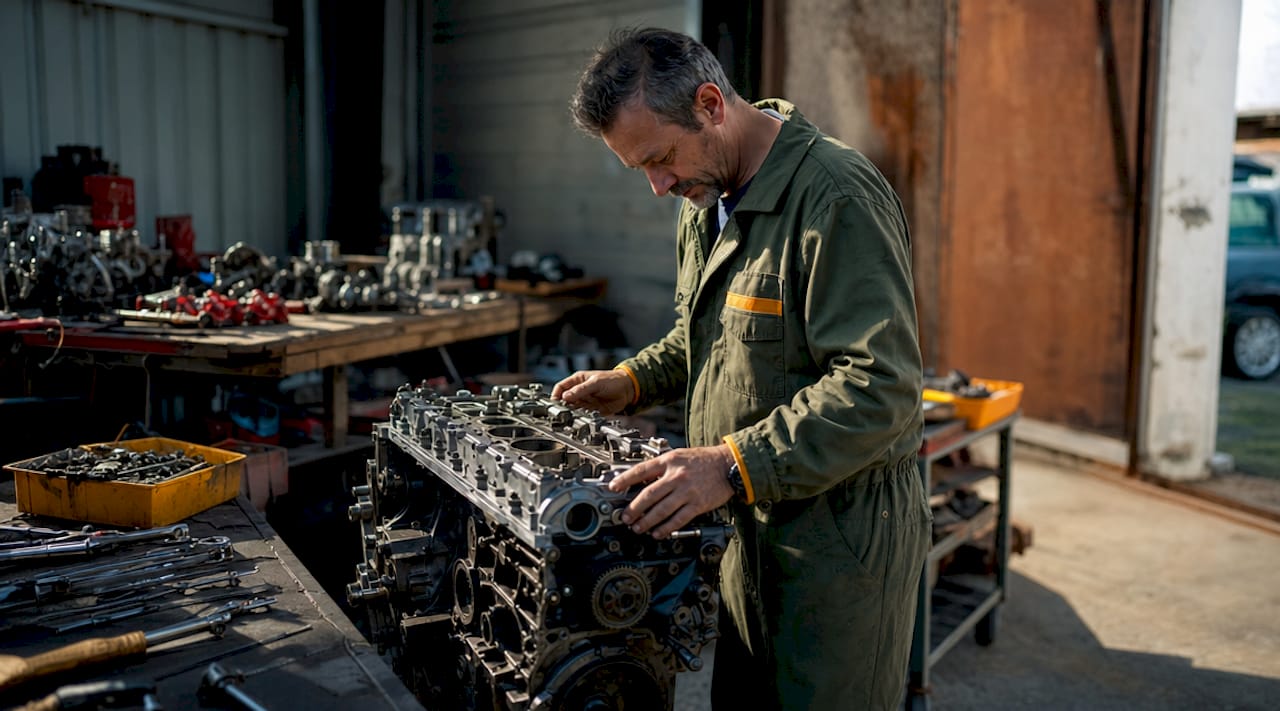
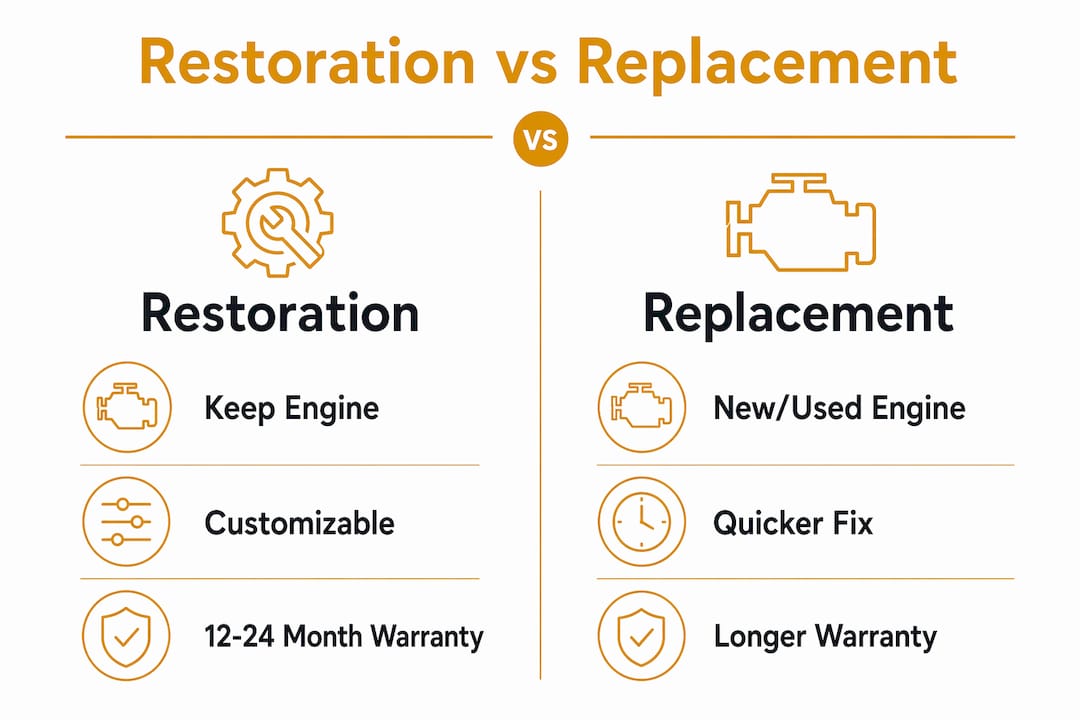
Engine restoration is the process of rebuilding and refurbishing your existing engine to recover performance, while engine replacement means removing your current engine entirely and installing a new, remanufactured, or used unit. Understanding what is engine restoration vs replacement is the single most important question you can answer before spending thousands of dollars on your vehicle. The right choice depends on your engine’s condition, your budget, your vehicle’s market value, and how long you plan to keep the car.
What is engine restoration vs replacement?
Engine restoration, also called an engine rebuild or overhaul, involves disassembling your existing engine, inspecting every component, replacing worn parts, and reassembling it to factory or better-than-factory specifications. Engine replacement, by contrast, removes the original engine from the vehicle entirely and substitutes it with a different unit. That unit can be a brand-new crate engine, a factory remanufactured engine, or a used engine sourced from a salvage yard. The distinction matters because each path carries different costs, timelines, warranty coverage, and long-term reliability outcomes.
The core conceptual difference is ownership of the block. Restoration keeps your original engine block in the car. Replacement discards it. For classic car owners or enthusiasts chasing originality, that distinction alone can determine the entire decision.
What does engine restoration involve?
The engine restoration process follows a structured sequence: full disassembly, thorough inspection, component replacement, precision machining, and reassembly. A competent machine shop will inspect the block for cracks, measure bore wear, check crankshaft journals, and assess head condition before any parts are ordered.
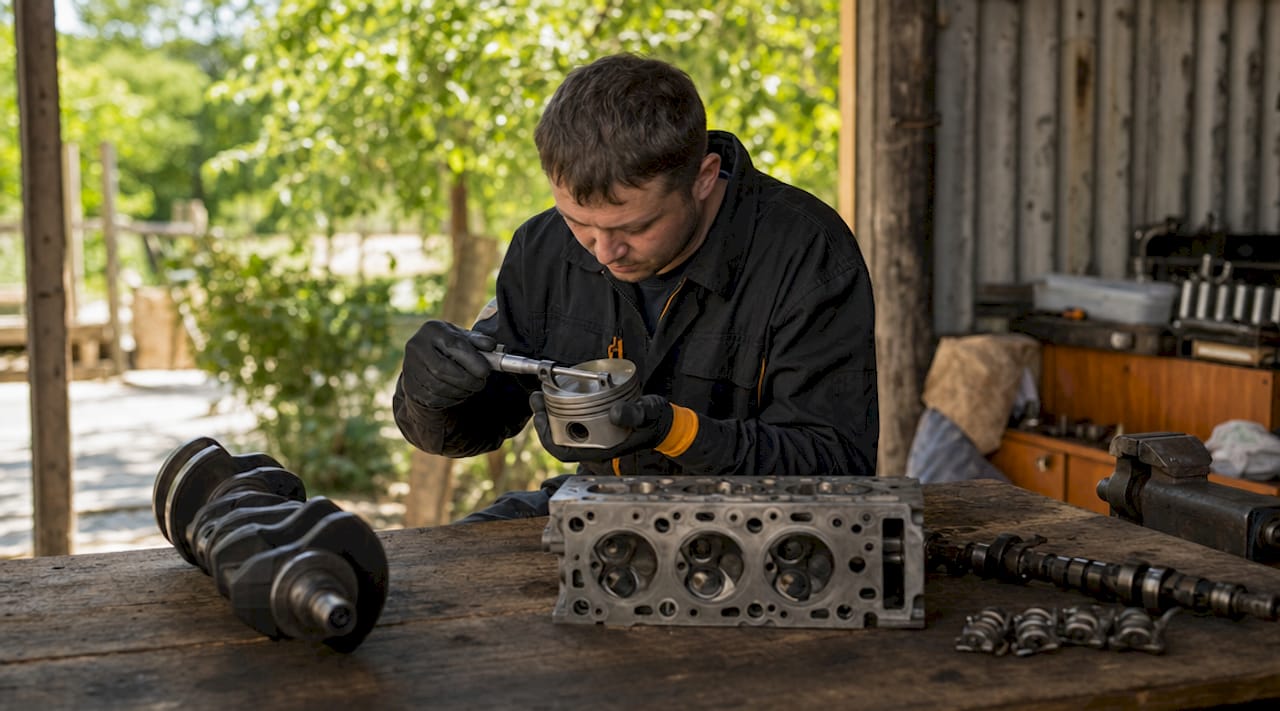
Common components replaced during a rebuild include piston rings, main and rod bearings, valve stem seals, head gaskets, timing components, and water pump seals. Cylinder bores are often honed or bored to accept oversized pistons. Crankshafts are reground if journals show scoring. The result, when done correctly, is an engine that performs at or above its original specification.
Restoration is the preferred path when:
- The engine block is structurally sound with no cracks or warping
- Wear is moderate, such as compression loss across cylinders rather than catastrophic failure
- The vehicle is a collector car or numbers-matching classic where originality drives value
- The owner wants a performance-tuned build with specific clearances and components
- Budget favours a phased approach rather than a single large outlay
Rebuilding preserves originality and can be tailored to performance goals, creating value well beyond simply fixing what is broken. This is why restoration remains the default choice for Holden Monaros, Ford Falcons, and other Australian classics where matching numbers carry real monetary and sentimental weight.
Professional rebuild costs typically range from $3,000 to $8,000 in Australia, with labour alone accounting for a significant portion. Engine removal and reinstallation requires 15 to 25 hours of workshop time, and a full rebuild adds another 10 to 15 hours on top of that. At a typical Australian labour rate of $120 to $180 per hour, those hours add up fast.
Pro Tip: Ask your machine shop for written documentation of every measurement taken during the inspection. A reputable shop will provide bore measurements, crankshaft journal readings, and head surface flatness figures. This paperwork protects you if warranty issues arise later.
Rebuilt engines typically carry a warranty of 12 to 24 months, and a well-executed rebuild on a sound block can deliver 150,000+ miles of reliable service life.
What are engine replacement options?
Engine replacement covers three distinct categories, and choosing between them is as important as deciding to replace in the first place.
-
New crate engines are brand-new, factory-built engines supplied in a crate, ready to install. They carry the longest warranties, typically around three years or 36,000 miles, and offer the highest expected lifespan of 200,000 miles or more. Engine Zone supplies new crate engines for Hyundai and Kia vehicles across Australia, with fitment guarantees and fast delivery.
-
Remanufactured engines are rebuilt under factory conditions using OEM-specification tolerances and parts. Factory remanufactured engines typically outperform most independent rebuilds in reliability and warranty support because the process is controlled, documented, and repeatable. They sit in the middle of the cost range.
-
Used or salvage engines are pulled from written-off vehicles and installed with minimal reconditioning. Used engines usually carry between 60,000 and 100,000 miles of prior use, and warranties are limited to 30 to 90 days. They are the cheapest option upfront but carry the highest risk of repeat failure.
| Engine type | Typical cost (AUD) | Warranty | Expected lifespan |
|---|---|---|---|
| Used/salvage engine | $2,000–$5,000 | 30–90 days | 50,000–100,000 miles |
| Remanufactured engine | $4,000–$10,000 | 12–24 months | 150,000+ miles |
| New crate engine | $5,000–$20,000+ | 3 years/36,000 miles | 200,000+ miles |
Replacement is the right call when the original block is cracked, when internal knocking or severe damage makes a rebuild uneconomical, or when a late-model daily driver needs to return to service quickly. Replacement is also faster overall because the new unit arrives ready to install rather than requiring weeks in a machine shop.
One practical complication worth knowing: components like intake manifolds and sensors often need replacement or adaptation during an engine swap, adding to both cost and complexity. This is not a reason to avoid replacement, but it is a reason to budget conservatively.
How do cost, labour, and warranty compare?
The financial comparison between engine rebuilding vs replacement is rarely straightforward. The headline cost of a used engine looks attractive until you add labour, accessories, and the risk of a short warranty.
A useful rule from experienced mechanics: avoid spending more than 50 to 60% of your vehicle’s current market value on major engine work. Beyond that threshold, the economic benefit declines sharply. A $3,000 rebuild on a car worth $4,500 is a questionable investment. The same rebuild on a $25,000 vehicle makes clear financial sense.
Hidden costs catch many owners off guard. Core charges can range from $500 to $1,500 if your old block is unusable as a trade-in during a rebuild or replacement. ECU compatibility is another consideration. Replacement engine compatibility with your vehicle’s ECU and transmission can require additional tuning or part swaps beyond the engine itself, particularly on newer vehicles with drive-by-wire throttle systems.
Pro Tip: Before committing to any engine work, get a written quote that itemises labour hours, parts, machine shop fees, and any anticipated accessory replacements. Verbal estimates in this industry are notoriously optimistic.
Warranty coverage is where new crate engines and factory remanufactured units genuinely separate themselves from the field. A 30-day warranty on a used engine provides almost no protection. A 12-month or 50,000 km parts warranty on a new crate engine covers you through the period when installation errors or early component failures are most likely to surface. For fleet operators and daily drivers, that peace of mind has real dollar value. You can explore how engine work affects resale value before making a final call.
What factors should drive your decision?
The right choice between engine repair vs replacement comes down to five practical factors.
- Extent of damage. Compression loss and worn rings favour a rebuild. A cracked block, spun bearing, or hydrolocked engine with bent rods favour replacement. Have a mechanic perform a compression test, leak-down test, and visual inspection before deciding.
- Vehicle value and intended use. A numbers-matching 1970s Australian classic warrants restoration to preserve collector value. A 2015 Hyundai Tucson used for daily commuting warrants a new crate engine for reliability and warranty coverage.
- Budget and timeline. Rebuilds take longer because machine shop work adds weeks to the process. If your vehicle is a primary transport, downtime matters. Replacement, particularly with a crate engine, can return the car to service faster.
- Long-term reliability expectations. If you plan to keep the vehicle for another decade, a new crate engine or quality remanufactured unit is the stronger investment. If you are selling within two years, a used engine swap may be sufficient.
- Originality versus performance. Rebuilding suits numbers-matching collector cars or custom performance builds needing exact clearances. Replacement suits late-model daily drivers or commercial vehicles where downtime and warranty coverage take priority.
You can check the top signs engine replacement is needed if you are still unsure which category your vehicle falls into.
Key takeaways
Engine restoration suits vehicles with structurally sound blocks and owners who value originality, while replacement delivers faster turnaround and stronger warranties for daily drivers and late-model vehicles.
| Point | Details |
|---|---|
| Restoration vs replacement defined | Restoration rebuilds your existing engine; replacement installs a new or used unit entirely. |
| Cost ranges in Australia | Rebuilds cost $3,000–$8,000; new crate engines range from $5,000 to $20,000 or more. |
| Warranty matters significantly | New crate engines carry up to three years’ warranty; used engines offer only 30–90 days. |
| Vehicle value is the financial anchor | Avoid spending more than 50–60% of your vehicle’s market value on any engine work. |
| Hidden costs are real | Core charges, accessory replacements, and ECU compatibility can add $500–$2,000 to any job. |
The decision most owners get wrong
Most people frame this as a cost question. It is not. It is a use-case question.
I have seen owners spend $6,000 rebuilding an engine in a car worth $7,000 because they were attached to it, and I have seen owners replace a perfectly rebuildable engine with a cheap used unit because it looked cheaper on paper. Both decisions were wrong for different reasons.
The rebuild-versus-replace question only makes sense once you have answered a prior question: what is this vehicle to you? A daily driver that needs to be reliable and back on the road in two weeks is a completely different problem from a weekend classic you are restoring to show condition. Treating them the same way is where most owners go wrong.
My honest view is that the quality of the rebuild or the source of the replacement engine matters more than the category itself. Not all rebuilds are equal. A poorly documented rebuild from an inexperienced machine shop will fail faster than a quality used engine from a reputable dismantler. Vet the people doing the work as carefully as you vet the option itself.
For modern Hyundai and Kia owners in particular, I lean toward new crate engines when the damage is severe. The factory tolerances, the warranty, and the known service history are worth the premium over a used unit with unknown provenance.
— Jason
Source a quality crate engine for your build
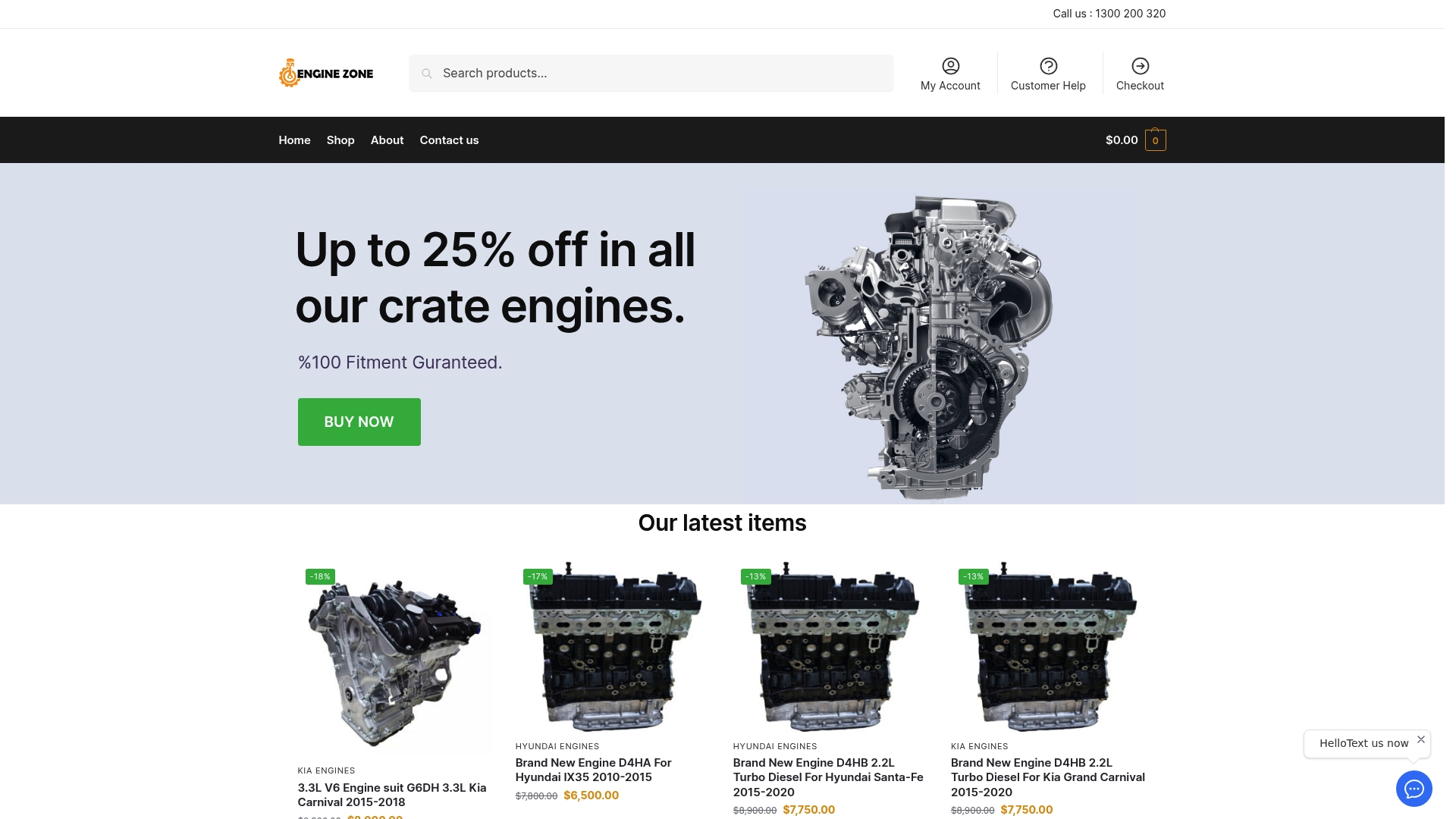
If your assessment points toward replacement, the source of your engine is the most important decision you will make. Engine Zone supplies new, tested, and guaranteed crate engines for Hyundai and Kia vehicles across Australia, with up to 25% off and free shipping nationwide. Every engine comes with fitment assurance and expert support to match the right unit to your vehicle. Explore the benefits of new crate engines to understand why they save labour time and reduce the risk of repeat failures. If you are still weighing your options, the crate engine selection guide walks you through compatibility, budget, and performance considerations step by step.
FAQ
What is the main difference between engine restoration and replacement?
Engine restoration rebuilds your existing engine block using reconditioned and new components, while engine replacement removes the original engine and installs a different unit entirely. Restoration preserves originality; replacement prioritises speed and warranty coverage.
How much does engine restoration cost in Australia?
A professional engine rebuild in Australia typically costs between $3,000 and $8,000, depending on the extent of wear, parts required, and machine shop rates. Labour alone accounts for 25 to 40 hours of workshop time.
When should I replace rather than rebuild my engine?
Replace your engine when the block is cracked, when internal damage is catastrophic such as spun bearings or bent connecting rods, or when the cost of rebuilding exceeds 50 to 60% of your vehicle’s market value.
Do rebuilt engines last as long as new ones?
A quality rebuilt engine can deliver 150,000 miles or more of service life, compared to 200,000 miles or more for a new crate engine. The gap narrows significantly when the rebuild is performed by an experienced machine shop using quality parts.
Does engine replacement affect my car’s resale value?
Replacing with a non-original engine can reduce collector value on classic vehicles, but fitting a new crate engine to a late-model daily driver generally has a neutral to positive effect on resale value due to the improved reliability and warranty coverage it provides.