-12%
Diesel Engines, Hyundai Engines
Brand New D4CB 2.5L CRDi Turbo Diesel Engine for Hyundai iLoad 2008-2018
$6,000.00
$6,800.00

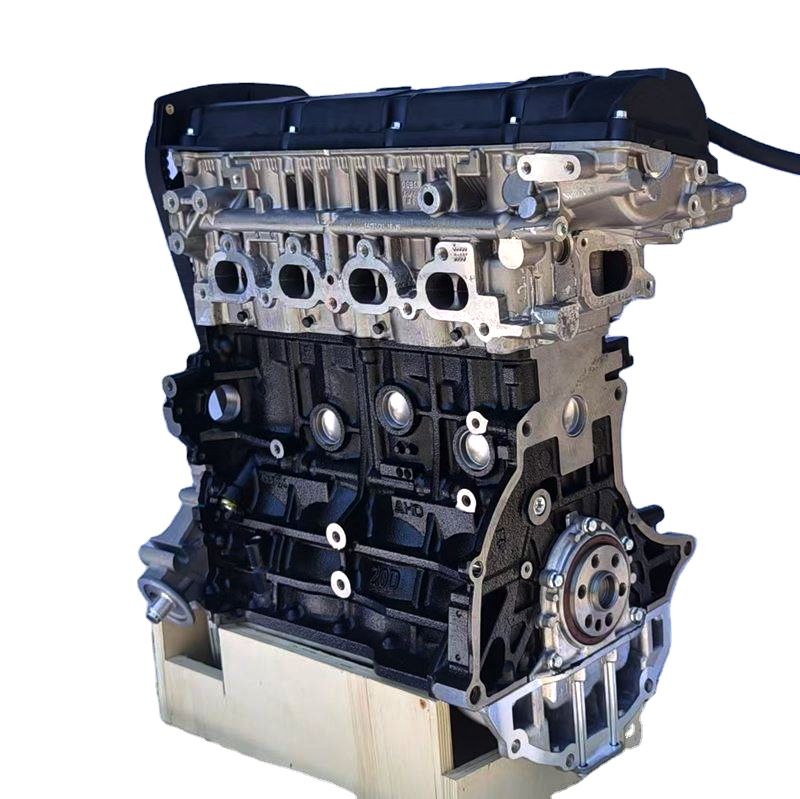
Original price was: $5,500.00.$4,350.00Current price is: $4,350.00.
2 in stock
When a Hyundai Tucson JM starts drinking oil, running hot or rattling at cold start, the repair quote often lands close to the car’s market value. That is the moment most owners find this page. The good news: the G4GC 2.0L petrol four-cylinder that powers the 2004-2010 Tucson is available brand new, and the rest of the JM tends to have plenty of life left in it.
This listing is for a new G4GC long engine built to OEM fitment specification and hot and cold tested before dispatch. It is not a recondition and it has never been in another car. For a family SUV that still does its job, dropping in a new engine at a fixed, known cost is usually cheaper than changing cars and far less of a gamble than a used engine from a wrecker.
Under the JM Tucson's bonnet sits a 2.0-litre member of the Beta II family: twin overhead camshafts, four cylinders, port fuel injection and a timing belt. On paper that is unremarkable engineering, which is precisely the point. There is nothing exotic to fail, parts are plentiful, and any general workshop can service one without special tooling.
The reasons these engines eventually need replacing are equally unremarkable. Skipped belt changes, cooling systems that were never refreshed and long oil-change intervals do the damage, and hard-driven examples also show wear in the rotating internals over time. An SUV that has spent fifteen or twenty years on school runs and holiday trips has usually accumulated all of it.
Because the design is sound, a new engine resets the clock properly, and this one does a little more than reset it. Our G4GC is manufactured new to OEM fitment specification, so it behaves exactly as the factory unit did: same service intervals, same belt schedule, same torque figures, same fuel. Inside, it goes a step further than the original: internal parts that proved to be weak points across the family's service life, among them the connecting rods, crankshaft and bearings, are built to a higher grade than the factory items.
Each unit is hot and cold tested after assembly: started, run to temperature and checked before crating. An engine that has already run and passed inspection is a very different proposition from a sealed box of parts.
Coverage here is the Hyundai Tucson JM sold from 2004 to 2010 with the 2.0-litre G4GC petrol engine. The JM range included more than one engine option, so the first thing to establish is which engine your Tucson actually has. The engine code appears on most service paperwork, but the cleanest method is the one we insist on anyway: the VIN.
Read out your 17-character VIN on 1300 200 320 and we will decode it against this engine before you order. The check costs nothing and takes minutes. It is far better than discovering a mismatch after freight has been booked.
What arrives is a long engine: the fully assembled block, crank, pistons, rods, head and valve gear. Everything bolted to the outside of your current engine comes off and goes onto the new one. That includes both manifolds, the throttle body, injectors, alternator, starter, air conditioning compressor, power steering pump and the full set of sensors and mounts.
Reusing those parts is not a shortcut. Accessories rarely die with the engine, and carrying them over means the new unit plugs into the Tucson's existing loom and ECU without modification. It also keeps the price of the package sensible, because you only pay for the parts that actually wear out inside an engine.
Each engine ships with a heat tab attached to the block. It is a one-way indicator: run the engine too hot and the tab changes permanently. Since overheating is excluded from warranty cover, the tab gives both of us an honest record. Look after the cooling system and it will never matter.
The parts warranty runs 12 months or 50,000 kilometres, whichever is reached first, and requires installation by a qualified mechanic. Alongside the paperwork, plan the installation properly: a new timing belt kit and water pump should go on with the engine, and the radiator, hoses and thermostat deserve scrutiny while the bay is open. Most JM engine failures trace back to heat or belt age, so this is where the second engine's lifespan is decided.
Freight is free to any Australian address, whether that is a workshop in a capital city or a shed a long way from one. We crate the engine, book the transport and keep you updated until it lands.
After the fit-up, treat the engine as you would a new car's: sensible loads at first, an early oil change if your mechanic recommends one, and normal servicing from then on. If anything about the process is unclear, ring 1300 200 320 before you order rather than after. A five-minute call answers most of it.
Common questions about this engine. Have a different question? Call us on 1300 200 320.
The G4GC is a 2.0-litre Beta II petrol four-cylinder that Hyundai and Kia fitted across their mid-2000s range. In Australia it appeared in the Tucson JM, Elantra HD, Sportage KM and Cerato LD, among others. This listing is specifically for the Tucson JM application, confirmed against your VIN before dispatch.
It suits JM-series Tucsons built between 2004 and 2010 that came with the 2.0-litre G4GC petrol engine. The JM was also sold with other engine options, so we verify the VIN on every order. If your Tucson is the four-cylinder petrol, this is the matching unit.
In fitment and operation, yes: it bolts in like the factory engine and runs to the same specification. Internally, no: known weak points in the original design are addressed with higher-grade internal components, including the crankshaft, connecting rods and bearings. It is also brand new, never reconditioned and never fitted to another car.
A long engine is the assembled block and cylinder head with all internal parts: crankshaft, pistons, connecting rods, camshafts and valves. It does not include manifolds, injectors, the throttle body or driven accessories. Those items come off your existing engine and are refitted, which is normal practice for engine replacement.
Everything external: intake and exhaust manifolds, throttle body, fuel injectors, alternator, starter motor, power steering pump, air conditioning compressor, mounts and the sensor set. A workshop swaps these during installation. Because your original parts are reused, the replacement engine connects to the Tucson's wiring and plumbing exactly as before.
It should, yes. The G4GC drives its camshafts by belt, and a new belt kit and water pump fitted at installation is standard practice. The labour overlaps with work already being done, and belt age is one of the most common reasons Beta II engines fail early, so skipping it is false economy.
You give us the 17-character VIN from your registration papers or the plate at the base of the windscreen, and we decode it to confirm this engine matches your exact vehicle. It happens before payment, costs nothing, and is the reason our engines arrive fitting the car they were bought for. Call 1300 200 320.
12 months or 50,000 kilometres of parts coverage, whichever comes first. Cover depends on installation by a qualified mechanic. Overheating damage is excluded, which is why each engine carries a heat tab, and faults caused by transferred accessories or external systems are outside the engine warranty.
Because overheating is caused by the vehicle's cooling system or how the car is driven, not by the engine assembly itself. A melted heat tab shows it happened. The exclusion is standard across the engine trade, and the practical answer is simple: refresh the radiator, hoses and thermostat when the engine is installed.
Yes. Freight is free Australia-wide, regional addresses included. The engine is crated and consigned to whatever address suits your installer. Transit time varies with distance, so ask when you order and we will give you a realistic estimate for your area.
Any qualified mechanic can, and qualified installation is a warranty condition. The G4GC is a common, conventional engine with full factory service data available, so no dealer-only equipment is needed. Choose a workshop you trust, and have them quote the job including belt, water pump and coolant.
After assembly, each engine is run: started, brought up to operating temperature and checked, then evaluated again cold. The process verifies oil pressure, sealing and mechanical health before crating. It is the difference between shipping an engine that has provably run properly and shipping one that only should.
Tell us your make, model and year — we'll source and fitment-match the right crate engine for you.
Reviews
There are no reviews yet.