-16%
Hyundai Engines, Petrol Engines
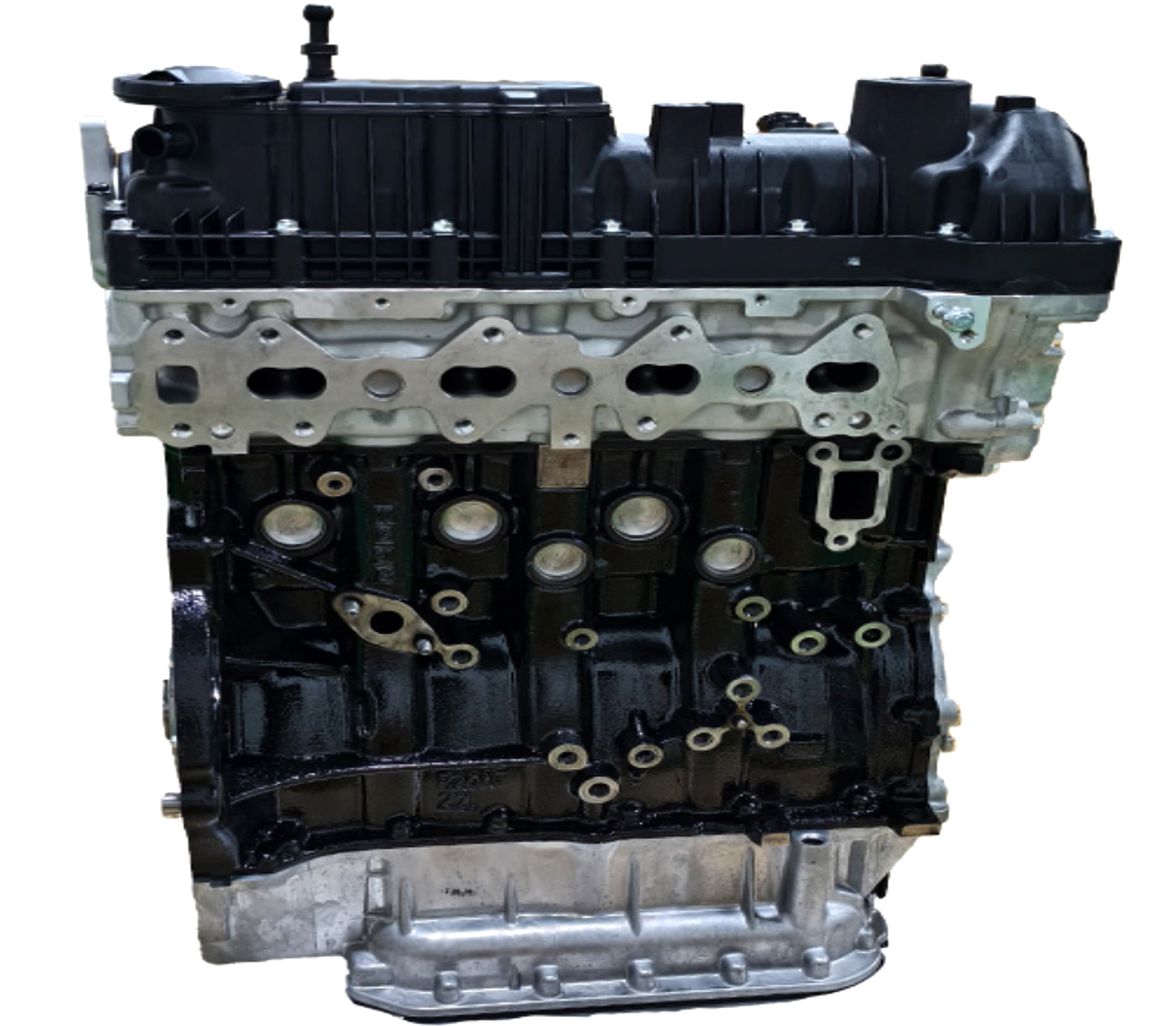
Brand New G4NA 2.0L Petrol Engine for Hyundai Elantra AD 2015-2020
$4,200.00
$5,000.00

Original price was: $8,900.00.$7,750.00Current price is: $7,750.00.
1 in stock
When a Hyundai Santa Fe is bought to tow, the D4HB 2.2L CRDi turbo diesel is the reason it can. This listing is for a brand-new D4HB long engine suiting Santa Fe models built between 2015 and 2020 – hot and cold tested before dispatch, upgraded internally where the engine carries its heaviest loads, and delivered anywhere in Australia with freight included.
Plenty of Santa Fes from these years still have work ahead of them: a caravan to drag up the highway, a boat, three rows of family and a loaded roof pod on holidays. When the original engine wears out or fails outright, the rest of the car is usually still worth keeping – the body, interior and driveline of a well-kept Santa Fe tend to outlast the hardest-worked parts of its engine.
We confirm the engine against your VIN at no cost before you order, and cover is 12 months or 50,000 km on parts. Questions first? Call 1300 200 320.
Hyundai's R-series diesel family produced the D4HB, a 2.2L CRDi four-cylinder that became the engine of choice for buyers who planned to hitch something heavy behind their Santa Fe. Fuel is delivered by a common-rail system through piezo injectors, and the camshafts are driven by chain, which removes belt replacement from the maintenance picture altogether.
A towing engine lives or dies on torque, and specifically on where that torque sits. The D4HB develops its strongest pull at low engine speeds and holds it across the middle of the range, so a van or float behind the car is felt far less than the outputs on paper might suggest. That character is exactly what caravanners valued in the diesel Santa Fe, and it is what a replacement engine needs to restore in full.
This one is factory-fresh rather than reconditioned, and it is made to OEM fitment specification, so it installs exactly as the original engine did. Internally it is deliberately better than original: the components towing loads up most heavily - connecting rods, crankshaft and bearings among them - are replaced with higher-grade parts, so the engine going back into a tow car is strongest precisely where the work is hardest. Each unit then faces a two-stage test: a cold pass, where the engine is rotated unfired to prove mechanical integrity, and a hot pass, where it runs under its own power so its behaviour can be verified before crating.
A heat tab goes on before dispatch. It is a small device with an important job - it changes permanently if the engine ever overheats, which protects both sides of the warranty arrangement by making cooling-system neglect visible rather than arguable.
Ask what ends a hard-worked turbo diesel's life and the answers cluster around a handful of patterns, most of them accelerated by exactly the towing work a diesel Santa Fe is bought for.
Sustained load is hardest on the bottom end. Connecting rods and bearings work at their limits when the car spends hours hauling a caravan at highway speed, and bearing wear is the classic origin of the deep knock that condemns a worn diesel. Once a bearing has picked up, the crankshaft usually has too, which is why bottom-end repairs on a tired engine rarely make financial sense against replacement.
Towing also works the cooling system flat out. Radiators, hoses and thermostats that cope fine unladen can fall short with a caravan behind on a summer climb, and overheating is the one failure a replacement engine's warranty will not forgive - the heat tab makes it permanently visible.
The fuel and air side ages more gradually. Piezo injectors lose their precision over the years, showing up as rough idle, smoke and rising consumption; the turbo accumulates bearing wear; and although highway towing gives the DPF reasonable conditions to regenerate, a filter with years of service behind it still deserves inspection.
The typical warning signs - knocking under load, blue or grey smoke, oil disappearing between services, sluggish response - tend to arrive together. When they do, the upgraded rods, crank and bearings inside this replacement engine are aimed squarely at the failure points that brought the original undone.
Between 2015 and 2020 the Santa Fe went through steady evolution - bracketry, sensors, wiring connectors and emissions hardware shift quietly during any production run - so our process starts with your VIN rather than your credit card. Read it from the base of the windscreen, the build plate or your registration papers, then phone 1300 200 320 or send it through the contact form. The check costs nothing and commits you to nothing; it simply guarantees that what arrives at your workshop bolts up the way it should. This page is matched to the Santa Fe alone - other Hyundai and Kia models with this engine family have their own listings.
What you receive is a long engine - block and head fully assembled, with the crank, pistons, rods, camshafts and valve gear already installed and set up. What you do not receive are the bolt-on systems: turbocharger, injectors, manifolds, DPF, and the accessory items driven off the front of the engine. Those all migrate from the engine coming out of the car. Treat that migration as an inspection opportunity, not just a parts shuffle: the DPF should be checked and cleaned before refitting, the injectors deserve testing, and the turbo should be examined for bearing play and oil leakage. A fresh engine deserves healthy hardware around it.
Installation is a job for a qualified mechanic, and the warranty requires it. Parts are covered for 12 months or 50,000 km, whichever arrives first. The heat tab means overheating damage is detectable and sits outside the warranty, so proper cooling-system commissioning at install time genuinely matters - especially on a car that tows.
Dispatch is by securely crated freight, free to any Australian address. For anything from fitment questions to warranty wording, the number is 1300 200 320.
Common questions about this engine. Have a different question? Call us on 1300 200 320.
The D4HB is a 2.2L CRDi common-rail turbo diesel from Hyundai's R-series engine family. It uses piezo injectors and a chain-driven valvetrain, and in the Santa Fe it provides the low-rev torque that makes the diesel variant the preferred choice for towing.
Yes, that is exactly the vehicle and year range this listing is matched to. Because equipment varies within a production run, we verify your VIN against the engine before dispatch. The verification is free and prevents an incorrect unit arriving at your workshop.
It is brand new rather than reconditioned, and it matches the factory engine everywhere it needs to - OEM fitment specification means every mounting point and connection is where Hyundai put it. Internally it differs on purpose: the hardest-worked parts of the engine, including the rods, crankshaft and bearings, are upgraded to higher-grade components.
The long engine comprises the assembled block and cylinder head with crankshaft, pistons, connecting rods, camshafts and valvetrain fitted. External systems such as the turbo, injectors, manifolds, DPF and engine-driven accessories are excluded and are transferred across from your existing engine during installation.
Neither is included; both transfer from the old engine. Before refitting, have the turbo checked for shaft play and oil seepage and the DPF inspected and cleaned. On a Santa Fe that tows, these components have worked hard and their condition directly affects the new engine.
The main items are injector condition, turbo bearing play and oil supply, DPF loading, and the state of hoses, mounts and the cooling system. Anything marginal should be replaced while access is easy. A new engine only performs as well as the components bolted to it.
Yes, and we prefer to. Supply the VIN from your windscreen base, build plate or registration certificate and we confirm the correct engine variant for your exact Santa Fe before invoicing. Call 1300 200 320 and the check can often be completed during the call.
Parts are warranted for 12 months or 50,000 km, whichever comes first. The warranty requires installation by a qualified mechanic. Keep the installation invoice and subsequent service records, as they support any claim and confirm the engine has been maintained correctly.
Every engine ships with a heat tab that permanently changes if the engine overheats. Overheating stems from cooling-system faults, installation errors or driving with a known problem rather than from an engine defect, so damage traced to it falls outside the parts warranty.
Yes. Freight is free to any address in Australia, whether that is a metropolitan workshop or a regional town. The engine travels in a secure crate, and we recommend inspecting it for transit damage on arrival before the installer begins work.
Yes. The replacement is built to OEM fitment specification with strengthened internals, so the vehicle's factory capabilities are restored. Follow your installer's guidance on an initial run-in period before resuming heavy towing, and have the cooling system verified as healthy - towing is the duty that tests it hardest.
No, the D4HB drives its camshafts with a timing chain, so there is no periodic belt replacement to schedule. The chain and its associated components are internal to the long engine, which means they arrive new rather than carrying over wear from the old unit.
Tell us your make, model and year — we'll source and fitment-match the right crate engine for you.
Reviews
There are no reviews yet.